
FIFA Greenlights Commercial Breaks During 2026 World Cup Matches
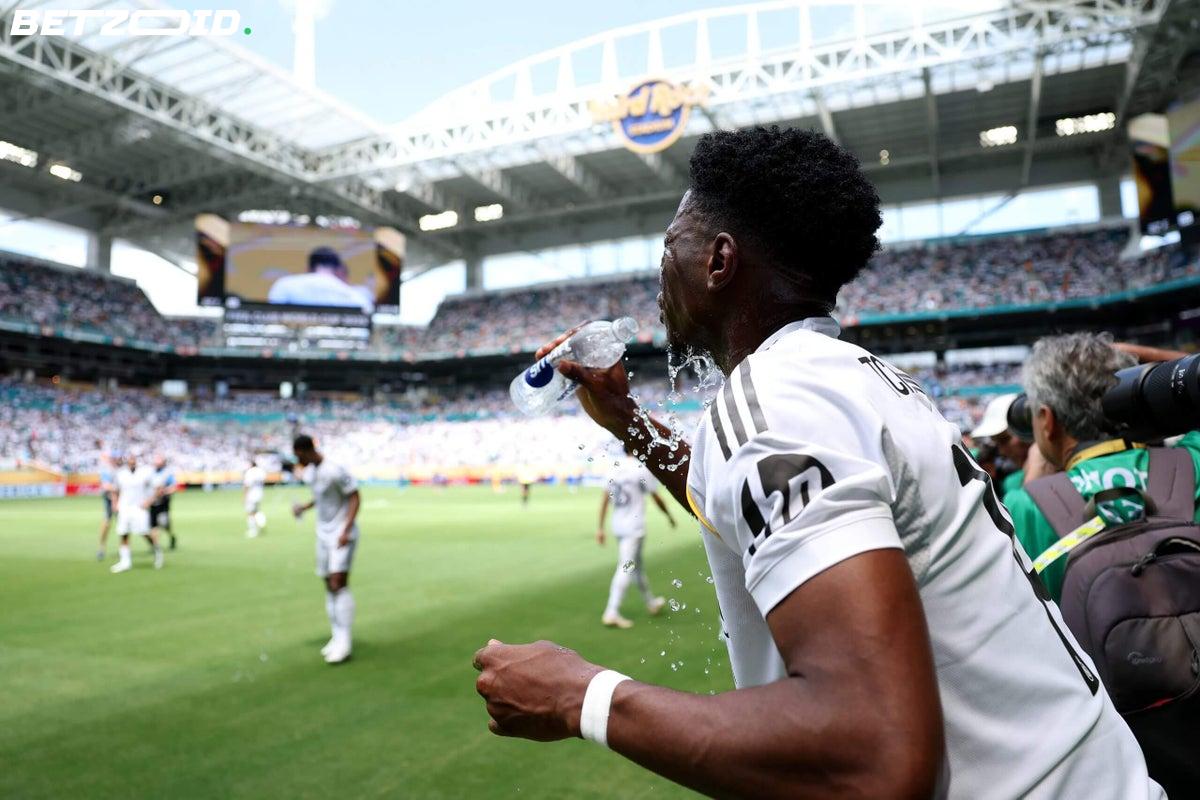
Canadian soccer fans should prepare for a significant change at the 2026 World Cup. FIFA has authorized three-minute "hydration breaks" during both halves of every match, and for the first time in World Cup history, broadcasters will be permitted to air television commercials during these stoppages.
While FIFA framed the December announcement as a "player welfare" initiative, the breaks will occur in all matches regardless of weather conditions or temperature. Match officials will determine the timing of these interruptions.
For Canadian viewers, the broadcast experience will vary depending on which network you're watching. Broadcasters will have approximately two minutes and ten seconds available for advertising, though utilizing the full window isn't mandatory.
Understanding the New Advertising Framework
FIFA has established clear guidelines for these commercial opportunities. Networks cannot begin showing advertisements until 20 seconds after the referee signals the break. Additionally, they must return to live match coverage at least 30 seconds before play restarts.
Canadian broadcasters will have several presentation options. They could transition to studio commentary and analysis. They might maintain the match feed while displaying picture-in-picture advertisements. Or they could forgo commercials entirely and continue showing on-field activity.
There's a crucial restriction, however. If broadcasters choose to keep any portion of the match visible on screen, they can only sell advertising to official FIFA partners. This protects the massive investments made by companies like Coca-Cola for exclusive World Cup sponsorship privileges.
Conversely, if networks cut away completely from match coverage, they're free to sell those advertising slots to any client. This represents a potentially lucrative revenue stream for North American broadcasters.
Impact on the Beautiful Game
This development marks uncharted waters for football. Unlike hockey, basketball, or gridiron football, soccer has traditionally featured uninterrupted flow—a defining characteristic of the sport.
Not all broadcasters are enthusiastic about maximizing commercial time. Joaquin Duro from Telemundo expressed his priorities clearly, stating he's "a soccer fan first" and wants to capture the authentic moments during these pauses. Coaching discussions, tactical modifications, and player interactions all offer compelling viewing.
Telemundo has indicated they'll likely maintain partial match visibility with overlay advertising rather than full commercial cutaways. "There's a lot of good content that comes out from those hydration breaks," Duro noted.
His reservations were evident: "For the first time, in a way, soccer will become almost like a four-quarter football or basketball game. For soccer? I don't know. Soccer is different."
CONMEBOL, which governs South American football, previously implemented 90-second hydration breaks in tournaments like Copa Libertadores. However, they prohibit commercial interruptions, instead showing coaching sessions and player exchanges.
Betting Implications
From a wagering standpoint, these breaks introduce new strategic elements. Coaches gain unexpected opportunities to make tactical adjustments mid-half, potentially altering match momentum. Savvy bettors monitoring live markets might identify value if they can anticipate how these coaching interventions influence game flow.
The breaks will also extend actual match duration when added to injury time, which could affect certain proposition bets related to total match length and timing-specific wagers.
The 2026 World Cup will make history as the largest tournament ever staged, with Canada co-hosting alongside the United States and Mexico. It will also represent the most commercially oriented World Cup to date. Whether this evolution represents modernization or excessive commercialization remains a matter of heated debate among football purists and casual fans alike.