
2026 World Cup Boycott Debate: African Nations Face Difficult Decision Over US Tournament
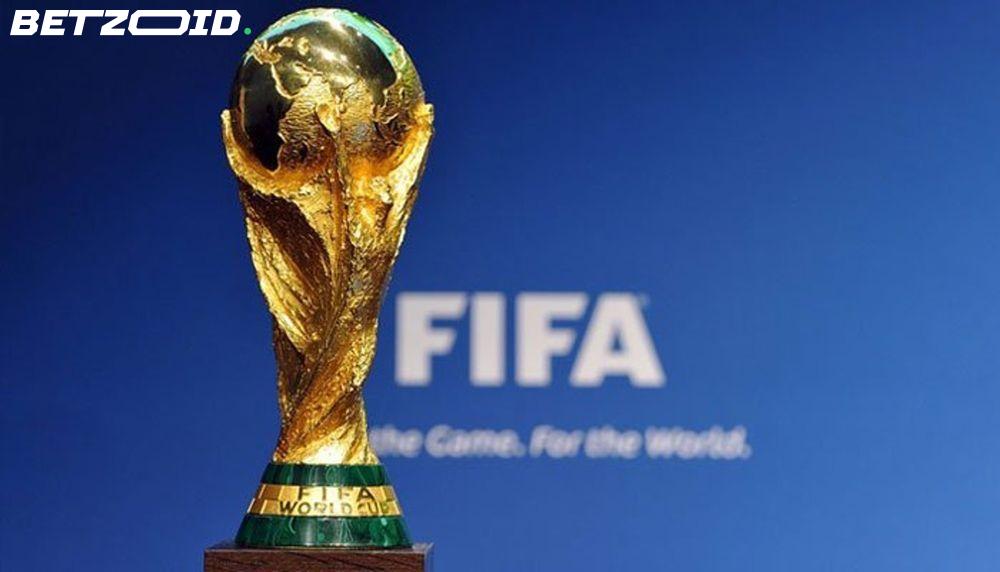
The 2026 FIFA World Cup kicks off in North America on June 11, with Mexico squaring off against South Africa at Mexico City's legendary Estadio Azteca. This matchup recreates their encounter from exactly 16 years prior at the 2010 World Cup in Johannesburg.
However, a significant controversy is developing. Increasingly vocal demands are emerging for African countries to withdraw from the competition due to concerns about participating in a tournament partially hosted by the United States under Donald Trump's presidency.
The issues at stake are substantial. Trump's immigration agenda has sparked widespread criticism, with reports of Immigration and Customs Enforcement officers allegedly profiling individuals based on physical appearance and speech patterns. His government recently suspended visa processing for 75 nations, affecting 26 African countries. Many observers view this as a deeply concerning signal.
Arguments Supporting a Boycott
Claude Le Roy, the former Cameroon manager who captured the 1988 Africa Cup of Nations title, has emerged as a prominent voice in this movement. The 77-year-old French tactician, whose résumé includes stints with Ghana and Senegal, speaks bluntly about the situation. "Does Donald Trump deserve to host a football World Cup? I don't think so, and it's time people spoke up," he stated in an interview with French newspaper Le Monde.
Le Roy believes African countries should refuse to participate as a bold political declaration against discriminatory practices and racist governance.
The Complicating Factors
While an African withdrawal might seem morally justified, the consequences would disproportionately impact the wrong parties. African footballers would forfeit their premier opportunity to showcase their talents internationally. Supporters would be denied the chance to watch their nations compete. African football associations would sacrifice essential World Cup funding and diminish their political leverage within FIFA.
The 2026 competition features an expanded format with unprecedented representation for African teams. Abandoning this opportunity means forfeiting historic participation and undermining the Confederation of African Football's influence in international football governance.
Furthermore, would Trump be affected? Almost certainly not. Would FIFA implement reforms? That seems doubtful. The tournament would proceed with perhaps some diplomatic statements issued, and little else would change. Broadcasting networks and wagering platforms would recalibrate their projections and continue operations seamlessly.
The uncomfortable truth is that boycotts frequently inflict greater damage on those making the sacrifice than on the targets of protest. African athletes denied their World Cup aspirations, African supporters losing international visibility, and African football surrendering revenue and authority—these represent the genuine costs.
Certainly, the moral indignation is warranted. However, if the demonstration merely amplifies existing disparities and penalizes African football while others proceed unaffected, has it genuinely accomplished its goals? That's the difficult question confronting African football administrators.