
Tuchel Commits to England Through 2028: Why Top Coaches Are Choosing International Football Over Club Management
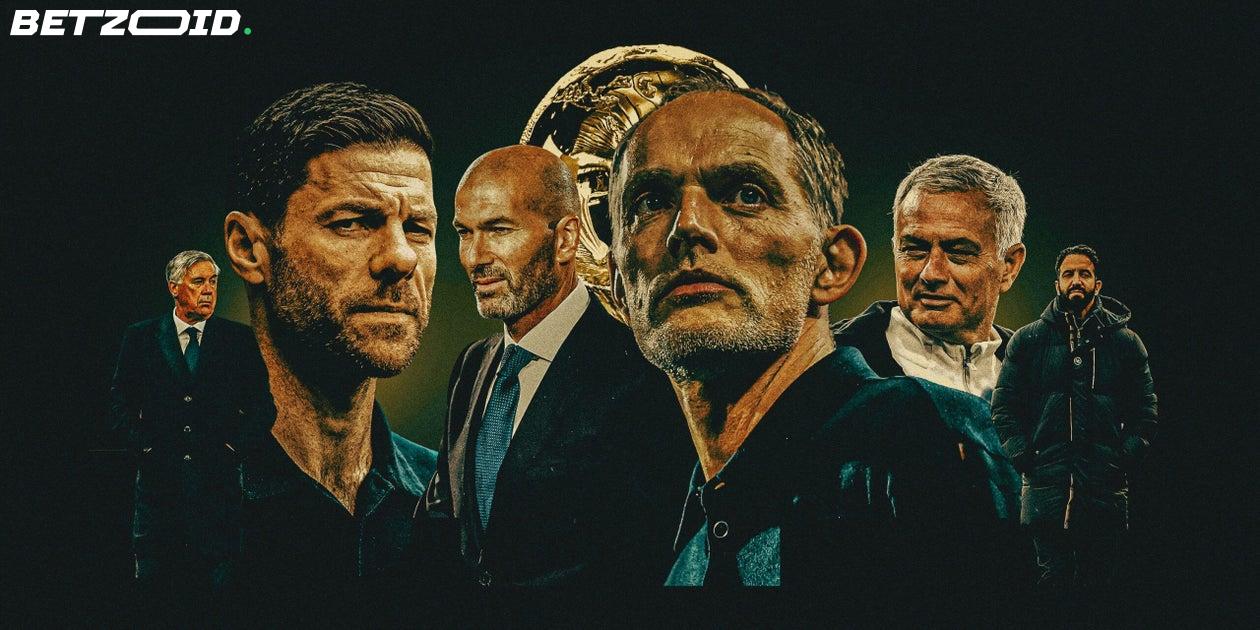
Thomas Tuchel has made a decision that's turning heads across the football world. The German tactician is staying with England until 2028, declining opportunities with Manchester United and Real Madrid. Despite completing just one year with the Three Lions, Tuchel is committed to leading the team through the World Cup and beyond.
This development represents more than an individual choice—it signals a significant shift in how elite coaches view their careers. International football is becoming increasingly attractive earlier in careers, with top managers staying longer than previous generations would have considered.
The appeal is straightforward: international management offers time to analyze matches, develop strategies, and learn without the relentless pressure of weekly fixtures. Coaches gain access to clubs for observation, receive inside information, and select their squads without interference from owners or sporting directors worried about transfer budgets. While limited to one nation's player pool, managers maintain genuine autonomy—a luxury increasingly rare at club level, where their roles are often reduced to training sessions and matchday duties.
Even decorated managers like Pep Guardiola and Arne Slot have expressed exhaustion recently, noting how quickly league championships fade from memory. A World Cup victory, however, achieves immortality. This summer's expanded tournament promises record-breaking viewership, capturing the attention of football's most accomplished coaches.
International Football's New Appeal
Julian Nagelsmann chose to remain as Germany's manager following Euro 2024. Carlo Ancelotti has committed to Brazil through 2030. These are coaches capable of securing virtually any club position, yet they're prioritizing their national teams.
At 66, Ancelotti would be ideal for Real Madrid during a period when Los Blancos urgently need stability. Instead, he's chosen the Brazilian federation. Meanwhile, Zinedine Zidane has waited six years for France's top job, which becomes available after this World Cup when Didier Deschamps departs.
Jurgen Klopp declined Germany's approach after leaving Liverpool, opting instead for a role with Red Bull. When Real Madrid dismissed Xabi Alonso last month, Klopp stated it "triggered nothing" in him. These legendary figures are stepping away from club football, creating a significant void.
For football bettors, this trend carries real implications. When Manchester United or Real Madrid search for new managers, the traditional candidates are no longer available. This uncertainty directly impacts team performance projections and betting markets for the upcoming campaign.
Jose Mourinho possesses a release clause at Benfica activating 10 days after their season concludes. Could he return to Real Madrid? Might Portugal pursue him post-World Cup? Alonso's name continues circulating for Liverpool, though he may prefer Spain's national team if Luis de la Fuente underperforms at the World Cup.
The Shrinking Candidate Pool
Clubs seeking managers this summer face a challenging reality: proven options are limited. The truly elite figures like Guardiola, Klopp, Ancelotti, and Mourinho lack obvious successors.
Mikel Arteta has performed admirably at Arsenal across six seasons, yet he hasn't secured a Premier League title. Enzo Maresca was dismissed by Chelsea months after delivering silverware. Xavi hasn't managed for nearly two years despite winning Barcelona's first post-Messi league championship.
Promising coaches quickly become yesterday's news. Arne Slot appeared brilliant at Liverpool initially, but recent setbacks have prompted doubts. Mauricio Pochettino reached a Champions League final with Tottenham but hasn't met expectations since.
Ruben Amorim delivered Sporting's first league title in 19 years, but his Manchester United difficulties will define his reputation for many observers. Does this make him inadequate? Absolutely not. However, the scrutiny at major clubs overshadows previous accomplishments.
Success at one level doesn't guarantee advancement within the same league. Bournemouth's Andoni Iraola is excelling, but would he handle a bigger club's different pressures? The spotlight intensifies dramatically—press conferences evolve from intimate settings to international media spectacles.
Brighton has succeeded with multiple managers, but determining whether Chris Hughton, Graham Potter, Roberto De Zerbi, or Fabian Hurzeler deserves credit—or if the analytics and recruitment infrastructure is the true architect—complicates coach evaluation tremendously.
Clubs have become increasingly selective. They demand specific playing styles while football continuously evolves. They seek coaches who remain compliant and avoid challenging administrative decisions. This narrows an already limited talent pool.
Antonio Conte has captured titles across multiple countries with four different clubs, yet he's deemed too demanding. Conversely, coaches previously dismissed—including Unai Emery, David Moyes, and Gian Piero Gasperini—continue winning European silverware.
Young coaches like Alonso and Thiago Motta have struggled in their initial major appointments. Vincent Kompany won the Bundesliga with Bayern, but they've claimed 12 of the last 13 German championships regardless. Does this qualify him for Real Madrid or Manchester United?
These are the questions confronting major clubs this summer. There's a perceived shortage of elite coaches, whether genuine or manufactured. Experience versus potential. The right manager at the wrong moment due to structural dysfunction within organizations.
Presently, England's Football Association avoids these concerns. Tuchel stated his position definitively: "There is a possibility that I will be tempted to go back to club football. But not in the next two and a half years."