
The Ultimate 2026 FIFA World Cup Guide for Canadian Football Fans
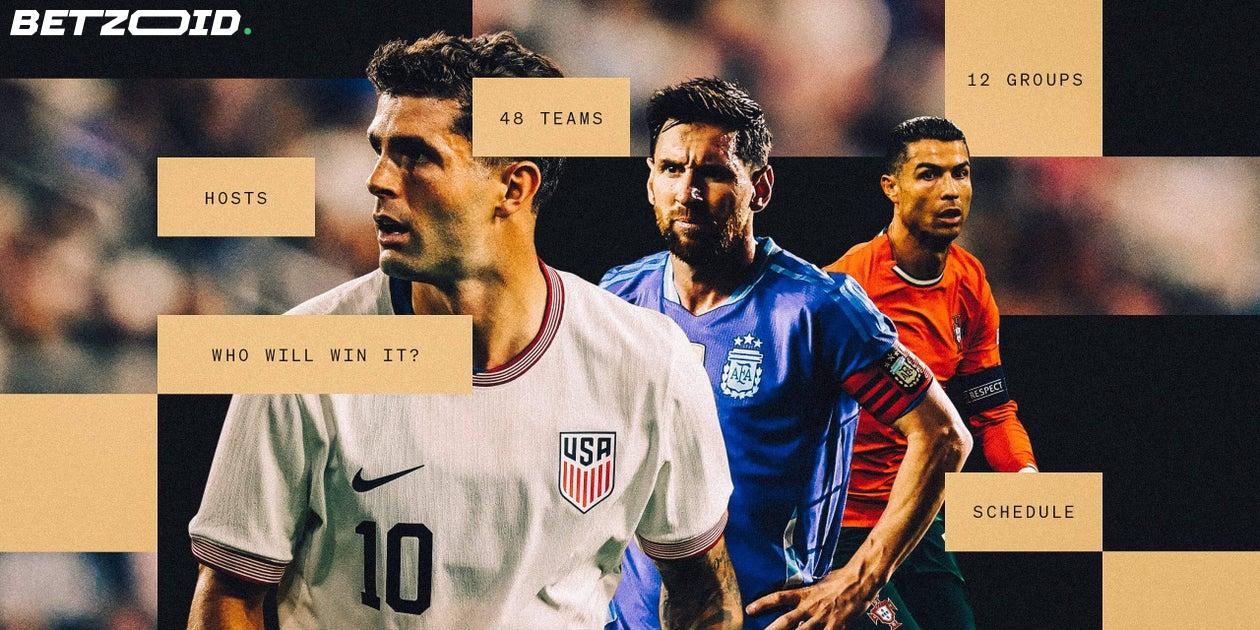
Following extensive preparation, the FIFA World Cup is nearly upon us. This summer's championship across North America is projected to become the most-watched sporting spectacle in history, captivating billions of viewers worldwide.
This tournament represents a golden opportunity to expand football's reach, particularly in markets where the sport continues its upward trajectory. We've compiled this comprehensive resource to address every question you might have about the competition.
The FIFA World Cup stands as football's premier international competition. It brings together the world's elite men's national squads for approximately one month of competition held every four years. Consider it the absolute pinnacle of international football.
The tournament opens on June 11 at Mexico City's iconic Estadio Azteca, where Mexico takes on South Africa. From that opening whistle, football fans will enjoy an entire summer of world-class competition, culminating in the championship match on July 19 at MetLife Stadium in New Jersey. That's 104 matches spanning 39 days.
Understanding the Tournament's Global Appeal
When Argentina defeated France in the 2022 World Cup championship, FIFA reported the match attracted 1.42 billion viewers globally. Throughout the tournament, matches generated five billion total views. Each semifinal drew over 300 million viewers from around the world.
For context, the Super Bowl—North America's most-watched sporting event—attracted approximately 138 million viewers at its peak last year. The World Cup's global viewership makes it substantially larger. Football enjoys worldwide popularity, whereas American football remains predominantly a North American phenomenon.
FIFA projects generating a record $13 billion in revenue during this cycle, with the summer's World Cup serving as the primary revenue driver. The financial stakes are enormous.
Tournament Structure and Format Details
This edition features 48 competing nations—an increase from the previous 32-team format. These teams are divided into 12 groups of four. Each nation plays the other three teams in its group once during the group stage.
The top two teams from each group automatically advance to the knockout rounds. Additionally, the eight best third-place finishers also progress, creating a round of 32. This new structure promises additional drama and excitement.
Matches run 90 minutes—two 45-minute halves separated by a 15-minute interval. Match officials typically add stoppage time at each half's conclusion to compensate for interruptions. Most matches run approximately 100 minutes in total.
Favourites and Contenders to Watch
Spain currently appears to be the tournament favourite. After capturing the 2024 European Championship, they've maintained exceptional form. France presents another serious threat—they claimed the 2018 title and finished as runners-up in 2022. Argentina enters as defending champions, though defensive concerns exist. England, now under manager Thomas Tuchel, could emerge as genuine contenders.
For wagering purposes, these four nations should attract the heaviest action. However, Brazil shouldn't be overlooked despite recent inconsistency. They historically perform well at World Cups regardless of form entering the tournament.
The United States possesses a legitimate opportunity for a deep run as co-hosts. Under new manager Mauricio Pochettino, they've gone unbeaten in five consecutive matches against World Cup-caliber opposition. Christian Pulisic leads their attack—he's essential to their chances.
Ticket Information and Venues
Tickets have proven exceptionally expensive and difficult to obtain. FIFA's three lottery phases have concluded. Your final opportunity arrives with a "last-minute sales phase" beginning in April. For sold-out matches, secondary markets like SeatGeek or StubHub remain options.
These represent the most expensive World Cup tickets in tournament history by a significant margin. Many dedicated supporters have expressed frustration with pricing. FIFA maintains the costs reflect North American market standards for premier sporting events.
All 16 venues will feature specially installed hybrid natural grass surfaces for the competition. Eight stadiums typically use artificial turf, but FIFA is investing millions to ensure quality grass pitches. They've learned from previous challenges at American tournaments.
Matches Across Three Nations
Competition unfolds across 16 cities in three countries. Eleven venues are in the United States, three in Mexico, and two in Canada. The championship match takes place at MetLife Stadium in New Jersey, home to the NFL's Giants and Jets.
Every team plays a minimum of three group stage fixtures. Assuming favourites advance, several marquee matchups await. Brazil versus Morocco on June 13 promises to be spectacular. Colombia facing Portugal in Miami on June 27 will feature an electric atmosphere.
Strategic Considerations for Bettors
For those placing wagers, travel schedules warrant attention. Certain teams will cover thousands of kilometres between matches, while others remain more geographically concentrated. This could create fatigue differentials worth exploiting.
Weather conditions also merit consideration. Matches in Arlington, Kansas City, Houston, Atlanta, and Miami could experience temperatures exceeding 32°C. This favours squads accustomed to heat and might impact fitness during knockout stages.
The altitude in Mexico City and Guadalajara will definitely influence performance. Sprinting becomes more challenging and maintaining intensity throughout 90 minutes grows tougher. Teams that properly prepare will gain a competitive advantage.
This tournament promises to be absolutely spectacular. Prepare yourself for an unforgettable summer of world-class football.