
World Cup Train Tickets to MetLife Stadium Could Cost Over $100
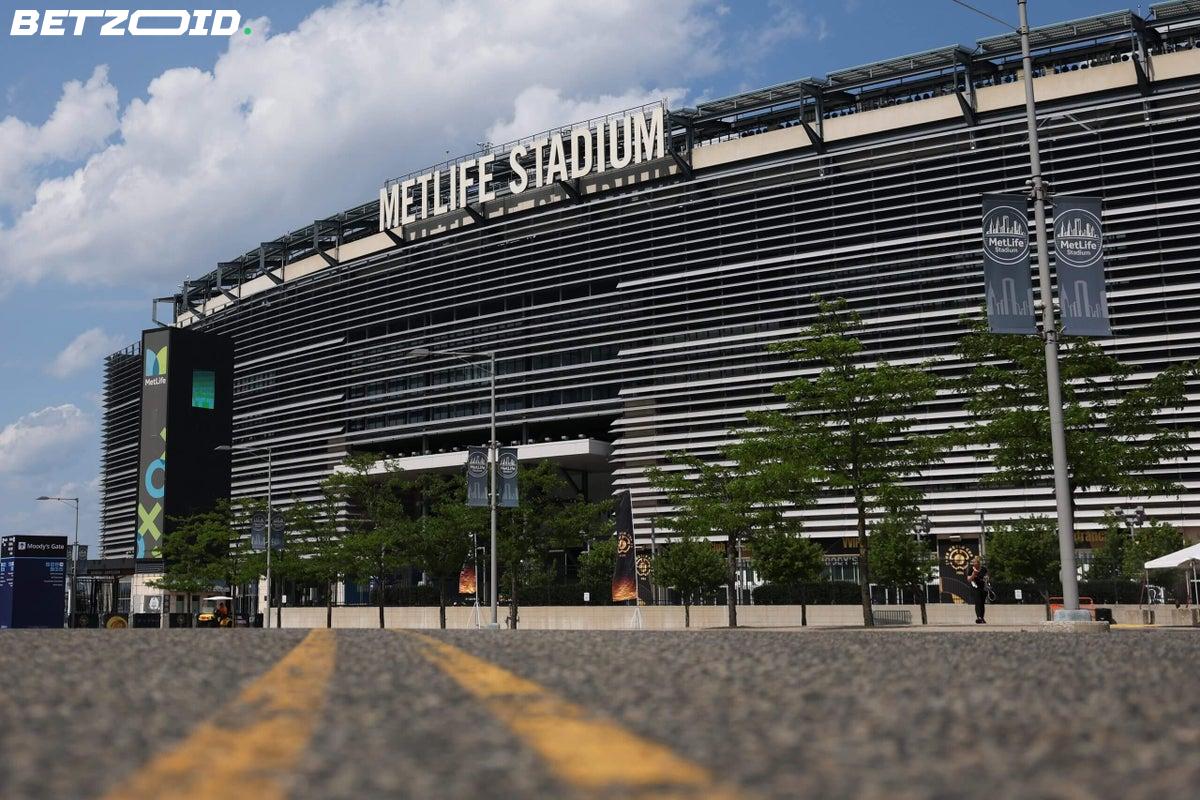
If you're planning to catch a World Cup match at MetLife Stadium this summer, prepare for sticker shock on transportation. What normally costs $12.90 for a round-trip train ticket from New York Penn Station to the venue could balloon to more than $100 during the tournament—a nearly eight-fold price hike for the 18-mile journey.
Multiple sources close to the planning process, speaking on condition of anonymity, have confirmed that NJ Transit is modeling this dramatic pricing increase, though final figures haven't been locked down yet. The decision is expected within days. When contacted, the World Cup host committee for New York/New Jersey declined to provide comment, while NJ Transit dismissed specific dollar amounts as "unconfirmed speculation" without denying the general pricing direction.
Following the money trail
According to NJ Transit's internal estimates, operating train services for the eight World Cup matches scheduled at MetLife Stadium will cost approximately $48 million. The astronomical figure accounts for FIFA's stringent security requirements—described as the most extensive security perimeter ever implemented for an event in New Jersey's history. That bill needs to be paid, and Governor Mikie Sherrill has made it abundantly clear that New Jersey's everyday commuters and taxpayers won't be footing it.
"We are not going to be paying for moving the people who are viewing the World Cup on the back of New Jersey taxpayers," Governor Sherrill stated on Monday. This policy effectively shifts the entire financial burden onto World Cup ticket holders—costs that FIFA has no contractual obligation to cover under its hosting agreements. While FIFA collects billions from ticket sales, broadcasting rights, corporate sponsorships, and concession revenues, host cities are left scrambling to cover security expenses.
FIFA President Gianni Infantino has publicly projected roughly $11 billion in total revenue from this World Cup. Meanwhile, NJ Transit is desperately trying to avoid eating a $48 million loss. The mathematics are straightforward, but the public relations fallout could be severe.
A troubling trend across American host cities
New Jersey isn't experiencing this issue in isolation. Boston's MBTA transit authority has confirmed $80 round-trip fares to Gillette Stadium for World Cup matches—a significant jump from the standard $20 charged for regular-season NFL games. Alternative private bus services operating in Boston are pricing seats at $95 each. The pattern is consistent: American host cities are treating public transportation as a revenue recovery tool, with football supporters bearing the brunt of inflated costs.
The contrast with recent international tournaments is stark. During Qatar 2022, anyone holding an official match ticket could ride Doha's metro system completely free throughout the competition. Similarly, at Euro 2024 in Germany, match tickets automatically included complimentary public transit access on game days. The difference in fan treatment couldn't be more obvious.
Making matters worse, the World Cup pricing structure will completely eliminate reduced fares. Seniors, children, and passengers with disabilities—groups that typically benefit from discounted rates—will all pay the identical flat rate as everyone else. NJ Transit has not yet responded to inquiries about whether any concessionary pricing options will be made available.
- Standard round-trip fare: $12.90
- Proposed World Cup fare: exceeding $100
- NJ Transit's total cost for 8 matches: up to $48 million
- FIFA's projected tournament revenue: approximately $11 billion
For Canadian supporters or any fans calculating the total expense of attending a World Cup match at MetLife Stadium, train travel is no longer the budget-friendly option it once was. When you factor in astronomical hotel prices and premium-priced official tickets, the cost of experiencing a single game in the New York metropolitan area is becoming genuinely unaffordable for average supporters.
Ronan Evain, representing Football Supporters Europe, didn't mince words: "These prices are completely unprecedented and will significantly increase the financial burden on visiting fans... it is not too late for FIFA to fulfil its role as tournament organiser and ensure that fans can travel to matches at a fair price."
As of now, FIFA has offered no public response to these concerns.