
ICE Confirms Controversial Security Role for 2026 World Cup Across Canada, US, and Mexico
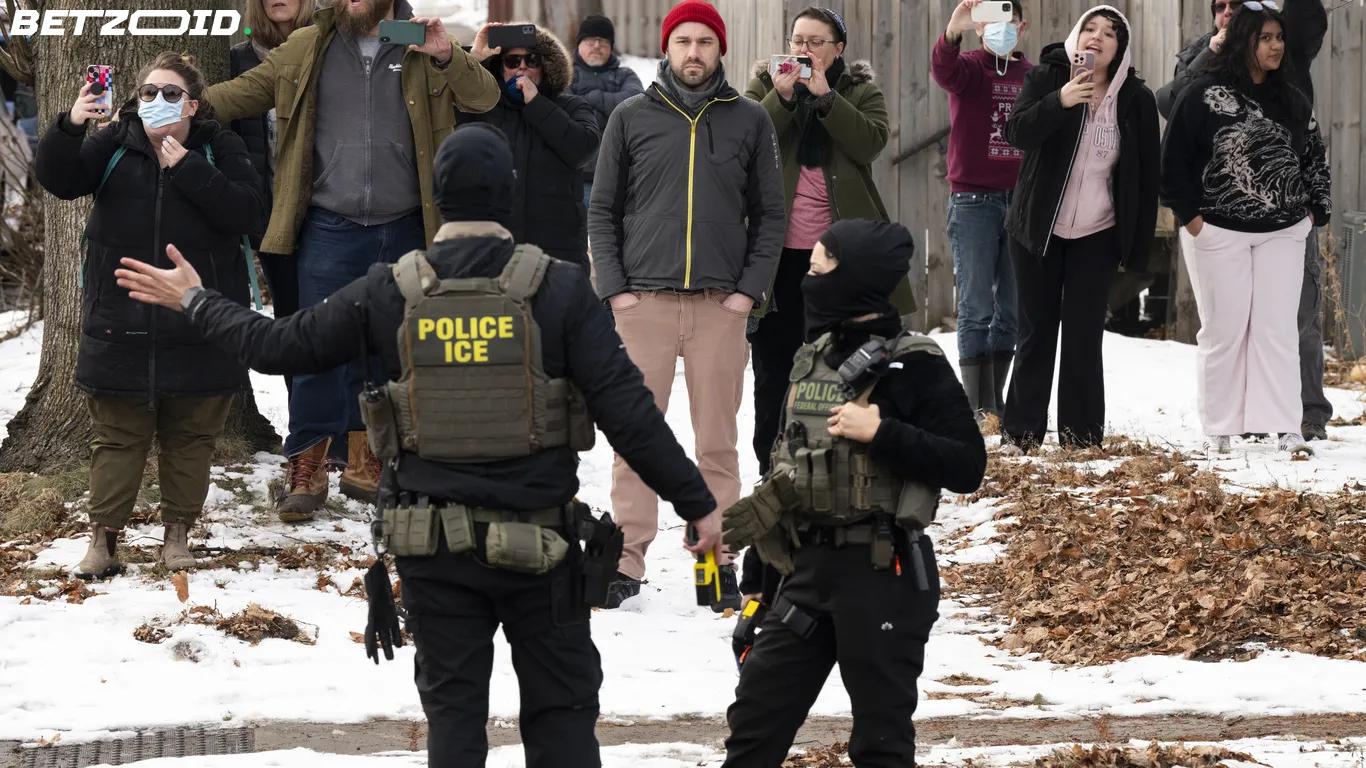
The 2026 FIFA World Cup is facing unexpected complications as U.S. Immigration and Customs Enforcement (ICE) confirms its significant involvement in tournament security operations. The announcement by ICE Director Patrick Lyons has ignited concerns about how American immigration enforcement policies could impact the world's premier football event, which will be co-hosted by Canada, the United States, and Mexico.
During testimony before a House committee this week, Lyons made the agency's position unmistakable. "ICE, specifically Homeland Security Investigations, is a key part of the overall security apparatus for the World Cup," he stated. The agency intends to provide security coverage for all participants and spectators attending matches throughout the three host nations.
The statement followed pointed questioning from Representative Nellie Pou of New Jersey, whose district is set to host World Cup fixtures this summer. When asked whether ICE would suspend operations during the tournament, Lyons declined to make such a commitment, instead reinforcing the agency's security mandate.
Understanding ICE's Different Operations
A crucial clarification often overlooked in public discussion: Lyons specifically referenced ICE HSI (Homeland Security Investigations), the division responsible for criminal investigations. This unit concentrates on serious offences including human trafficking and routinely operates at major sporting events such as the Super Bowl and Olympic Games.
The separate division, ICE ERO (Enforcement and Removal Operations), manages immigration enforcement activities. This is typically the unit Canadians and international visitors associate with ICE operations. The Department of Homeland Security pledged in January to deliver a "world-class, seamless, and secure experience" for World Cup travellers.
However, the current climate of heightened immigration enforcement has generated considerable uncertainty. For Canadian bettors and supporters planning cross-border travel to matches, this development introduces an unpredictable variable. Concerns about travel complications could potentially impact attendance figures, which may influence home-ground advantages and betting markets for matches hosted in American venues.
Global Football Community Voices Opposition
The international football world has responded forcefully to these developments. Former FIFA president Sepp Blatter advocated for a World Cup boycott last month, and he hasn't been alone in such calls. Football administrators and analysts globally have echoed similar sentiments.
Canadian officials in Vancouver raised alarms after ICE personnel were deployed to the Milan Winter Olympics. They've expressed strong reservations about similar operations during World Cup matches in Canada. Football Supporters Europe shared with BBC Sport that they're "extremely concerned by the ongoing militarization of police forces in the U.S."
Former U.S. President Donald Trump received the FIFA Peace Prize in December and has pledged to deliver the "biggest, safest and most extraordinary soccer tournament in history." Yet the disconnect between that promise and current anxieties is generating genuine friction among stakeholders.
For Canadian betting enthusiasts, these political tensions carry practical implications. Should prominent national teams or supporter organizations boycott fixtures, the tournament's competitive landscape would shift dramatically. Any squad competing with diminished fan presence or in a charged atmosphere may underperform relative to expectations. Savvy Canadian bettors would be wise to track how this situation evolves in the months ahead before committing to World Cup wagers.