
Italy's Third Straight World Cup Miss Exposes Systemic Collapse Beyond Gattuso
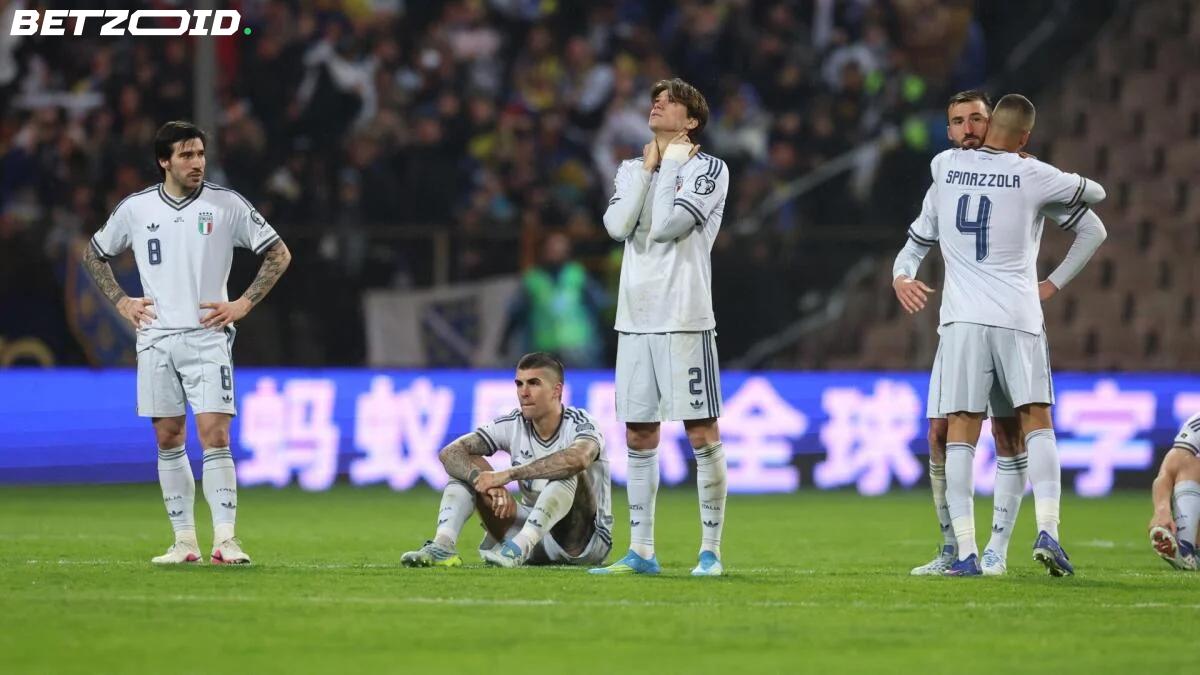
A generation of Italian children has grown up never witnessing the Azzurri compete on football's biggest stage. Following their penalty shootout heartbreak against Bosnia and Herzegovina, another World Cup will pass them by. Three straight absences from the global tournament. This transcends a rough patch—it's a systemic meltdown.
Gennaro Gattuso shouldered responsibility with the kind of emotional honesty and class the moment didn't require from him. But blaming the manager completely misses the underlying disease. Italian football has been deteriorating from within for years—crumbling stadiums, inadequate infrastructure, shrinking financial muscle, and zero comprehensive strategy to address any of it.
The exodus tells the real story
When rising stars like Giovanni Leoni and Riccardo Calafiori opt for the Premier League over Italian clubs, the message is crystal clear. These young talents aren't departing by choice—they're leaving because Serie A offers no compelling reason to remain. The Premier League invested three decades constructing a world-class product. Serie A spent that same period banking on individual brilliance to carry the weight. Once that talent pipeline ran dry, the foundation crumbled.
Questionable tactical choices compounded the issues. Excluding Marco Palestra from both qualifying fixtures—a player who's been among Serie A's most impressive right wingers this campaign—epitomizes the kind of counterproductive caution that's plagued this team. Francesco Pio Esposito showed more bravery stepping up for the opening penalty (which he missed) than the broken system that developed him. Gianluigi Donnarumma delivered clutch saves once again, as he consistently does, yet it proved insufficient.
Italian FA president Gabriele Gravina's refusal to resign immediately speaks volumes about why these problems endure. In Italy, accountability seldom translates into meaningful change—whether in football or government. Gravina may eventually step aside, but the fact it's measured in weeks rather than hours reveals everything about the culture of responsibility that's poisoned the sport at every tier.
Forget 2030. Rebuild from the foundation.
In 2010, Roberto Baggio produced a comprehensive 900-page blueprint for rescuing Italian football. This came just four years removed from their 2006 World Cup triumph. Nothing came of it. The dismissal of that detailed analysis and the failure to reach three consecutive World Cups aren't coincidental.
Anyone wagering on Italy making noise at major tournaments anytime soon should reconsider their bets. The reconstruction needed isn't about signing players or hiring a new gaffer—it demands a decade-long structural transformation of the entire apparatus, from youth academies to facilities to federation leadership. The 2030 World Cup should be removed from all discussions. Establish realistic timelines, construct something sustainable, or continue watching kids reach adolescence without ever seeing the Azzurri play summer football.
Roberto Baggio predicted this crisis fifteen years ago. That 900-page document remains largely ignored, collecting dust as the Azzurri collect disappointments.