
2026 World Cup Ticket Costs Skyrocket as Resellers Capitalize on Historic Demand
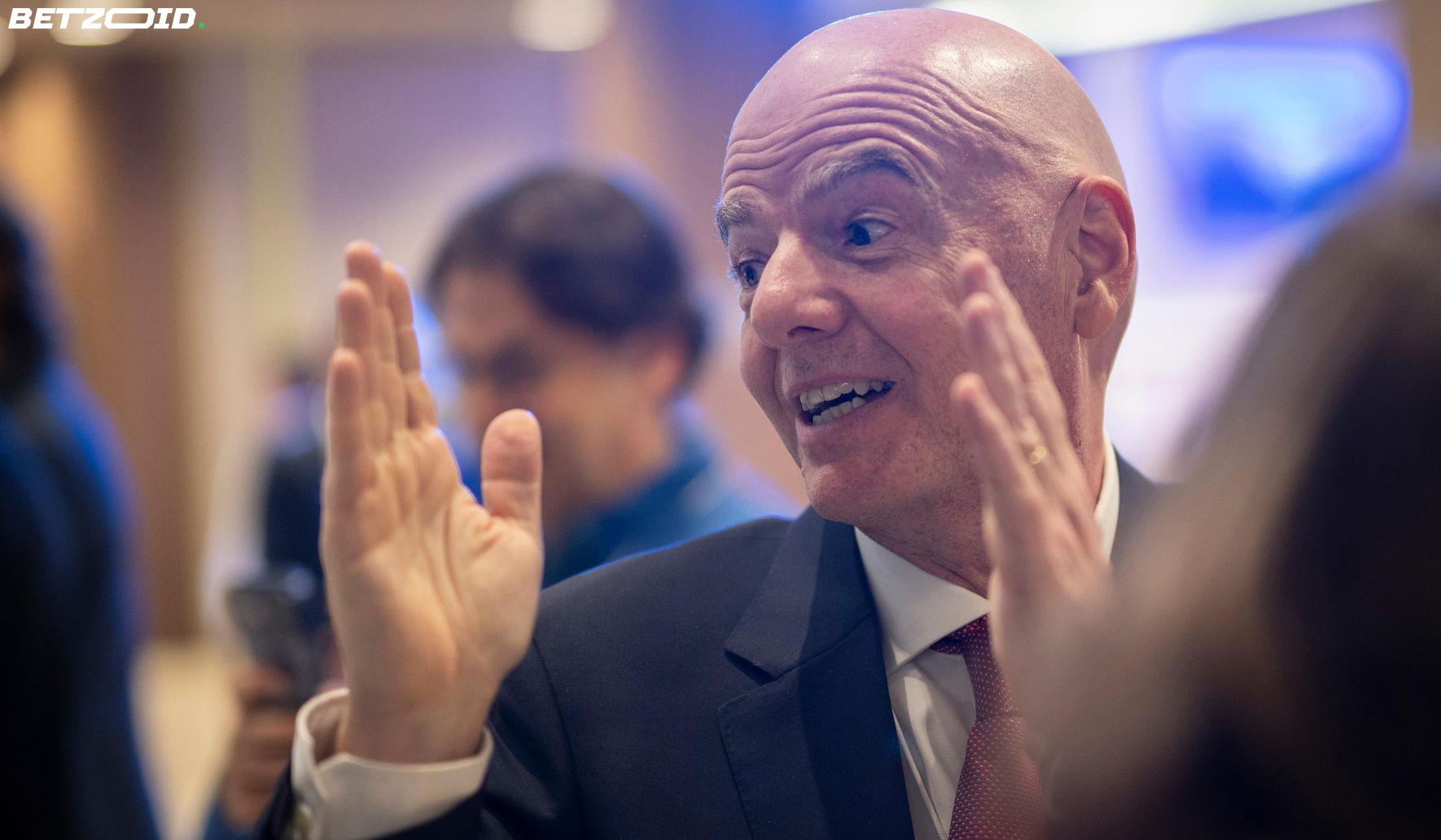
Ticket prices for the 2026 FIFA World Cup are reaching astronomical levels, yet millions of football fans continue clamouring to secure their seats for the tournament coming to North America this summer.
Speaking at the World Economic Forum, FIFA President Gianni Infantino revealed staggering statistics about ticket demand. During just the first four weeks of sales, FIFA received ticket requests that would normally span 1,000 World Cup tournaments. The unprecedented demand surrounds the competition jointly hosted by the United States, Canada, and Mexico.
"Throughout nearly 100 years of World Cup history, FIFA has sold approximately 50 million tickets in total," Infantino stated. "For this World Cup, within just four weeks of sales opening, we've received requests equivalent to 1,000 World Cups combined."
This extraordinary demand has created lucrative opportunities for ticket resellers. On FIFA's official resale platform, a single ticket for the final match was listed at an eye-watering $230,000 this week—exceeding the annual income of most Canadians.
FIFA's Double-Revenue Strategy
The financial structure reveals an interesting dynamic. While FIFA doesn't control resale pricing, the organization collects a 30% commission on every transaction through their platform. This means when someone sells a ticket for $100,000, FIFA receives $30,000—in addition to the revenue from initially selling that same ticket at face value.
Infantino justified this policy by noting that ticket reselling is legal in the United States. "We must allow it, of course," he explained. He also projected that all 104 matches will reach capacity, suggesting resale prices may continue climbing.
Initial ticket prices were already substantial. FIFA set premium seat prices at up to $8,680 per ticket. Following public criticism, the organization promised to make some $60 tickets available to each of the 48 participating nations. However, securing these affordable options remains extremely challenging.
The resale market shows even more dramatic markups. A category one final ticket costs $8,680 directly from FIFA. Yet on their resale platform recently, the least expensive comparable ticket was priced at $16,000—nearly double face value. When that ticket sells, FIFA earns an additional $4,800 through their 30% commission.
Supporter Organizations Express Outrage
Football Supporters Europe has condemned FIFA's pricing approach as a "monumental betrayal." Executive Director Ronan Evain told media outlets that he suspects many tickets are being purchased purely for resale profit rather than actual match attendance.
This represents a significant shift from the 2022 World Cup in Qatar, where FIFA charged only a 5% commission and actively regulated resale prices. The current hands-off approach allows market forces to operate freely, benefiting both FIFA and resellers substantially.
For Canadian sports bettors and fans planning match attendance, these ticket prices add considerable expense to the World Cup experience. Anyone considering travel to support their team should budget significantly more than anticipated for tickets, as the secondary market has become the primary reality for most supporters.
Despite widespread criticism regarding costs, Infantino noted that the United States, Germany, and England lead all nations in ticket requests. "We faced harsh criticism over ticket pricing," he acknowledged. "Yet everyone still wants to participate and attend."
The situation is clear: this World Cup is shattering records for both demand and pricing. Resale platforms are thriving, and FIFA profits twice from identical tickets. For average fans hoping to witness matches in person, attending this historic tournament on home soil is becoming an increasingly expensive proposition.