
Gillette Stadium Reverses Course: Tailgating Now Allowed for 2026 World Cup
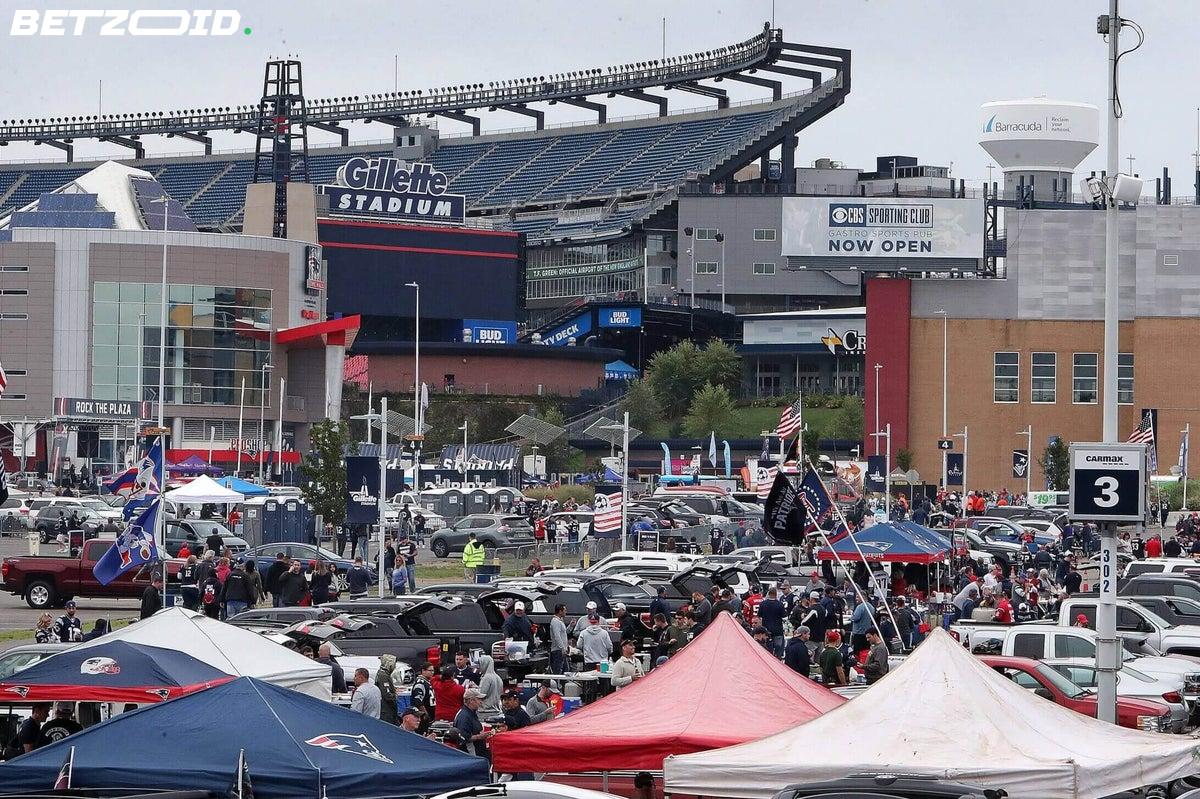
The organizing committee for Boston's 2026 World Cup matches has reversed one of its most controversial decisions, announcing that tailgating will be allowed at Gillette Stadium — a complete U-turn from their earlier stance that FIFA regulations prohibited the popular pre-match tradition.
Initially, the committee's website cited what they described as a tournament-wide FIFA regulation as justification for the ban. This announcement sparked immediate outrage among football fans, especially considering tailgating has long been a cornerstone tradition in Gillette's parking areas before New England Patriots matches at the identical location. Prohibiting the practice for World Cup fixtures while maintaining it for NFL games appeared contradictory and tone-deaf.
The policy reversal explained
According to a committee representative, organizers "requested clarification" from FIFA following the public outcry, only to learn that no "venue limitations or municipal safety regulations" actually prevented tailgating activities. Anonymous FIFA officials revealed that the international governing body had always planned to collaborate with local jurisdictions on a stadium-by-stadium approach — suggesting the sweeping prohibition language on Boston's official site resulted from miscommunication rather than actual policy directives.
"Following earlier guidance that FIFA provided to Boston Soccer 2026, both our organization and the host facility believed that a 'no tailgating' policy was a universal FIFA requirement," the representative stated. The website has since been updated to eliminate any mention of "FIFA policy" regarding tailgating restrictions.
The situation in Seattle provides useful context. Lumen Field won't permit tailgating — but that venue is located downtown, and identical restrictions exist during regular NFL season operations. It's a logistical necessity, not an arbitrary decision. Gillette Stadium, conversely, is a suburban facility with extensive parking infrastructure. No legitimate safety rationale existed for implementing a ban.
Implications for supporter culture
For a tournament attempting to appeal to North American audiences who appreciate global football but remain deeply connected to traditional gameday customs, this decision carries significant weight. Tailgating transcends simple pre-match refreshments — it represents the entire social framework surrounding live sporting events for countless Canadian and American supporters. Mishandling this aspect would have created unnecessary public relations difficulties that FIFA and regional organizing bodies could ill afford.
Organizers have promised that further supporter guidelines will be distributed as the tournament approaches. Following this turbulent beginning, transparent and precise communication will be essential moving forward.