
Infantino Defends World Cup 2026 Ticket Prices: 'It's the Market'
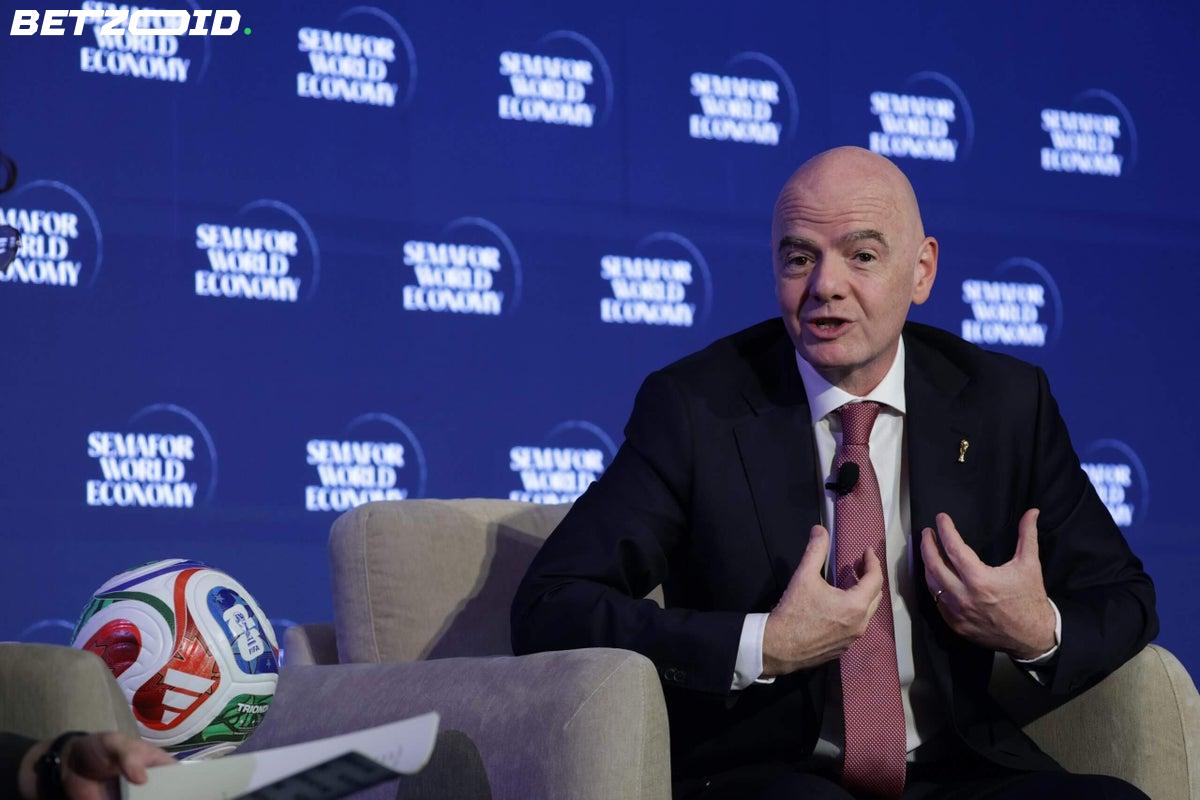
"Maybe, but it's the market." FIFA President Gianni Infantino's blunt response to questions about World Cup ticket pricing at a global economics forum on Friday likely did little to ease the frustration of football supporters worldwide.
Speaking at the Semafor World Economy 2026 Annual Convening, Infantino elaborated on his position, citing FIFA's non-profit structure as justification for the controversial pricing strategy. He emphasized that the organization generates revenue during just one month every four years, then distributes those funds across 211 member associations — with three-quarters reportedly dependent on FIFA grants to operate.
"The World Cup takes place one month every four years, so we generate money in one month. The 47 months until the next World Cup, we spend that money," Infantino explained. While the financial logic may hold up structurally, whether it justifies the actual prices fans are paying remains highly debatable.
Dynamic Pricing Creates Confusion and Controversy
The core issue extends beyond simply high prices — it's the way FIFA's pricing structure has functioned in practice. The organization's dynamic pricing model has seen approximately 40 of the tournament's 104 matches increase in price during the "last-minute sales phase" compared to earlier purchasing windows, according to supporters who documented the changes with screenshots.
Adding to the confusion, new ticket categories emerged mid-process, creating both sticker shock and uncertainty about what was actually available.
Infantino highlighted a $60 ticket tier supposedly available for "hardcore fans," including matches up to the final. However, supporter groups throughout Europe were quick to point out that virtually none of these affordable tickets were accessible when the overseas sales window launched in October. FIFA only added more in December — a reactive move following public outcry rather than proactive planning.
The situation escalated in March when Football Supporters Europe and consumer rights organization Euroconsumers filed an official complaint with the European Commission, alleging FIFA abused its monopoly position through excessive pricing and unclear purchasing terms. This represents far more than typical fan protests — it's a formal legal challenge.
Infantino's attempt to compare World Cup pricing to NFL games and concerts missed the mark. Unlike FIFA's absolute control over World Cup access, no single entity holds a comparable monopoly over other sporting events. Fans have no alternative tournament to choose.
Travel Restrictions Compound Access Concerns
Ticket affordability isn't the only obstacle facing supporters. Since Donald Trump resumed office in January 2025, the United States has implemented travel bans affecting nationals from multiple countries — four of which have qualified for the World Cup: Senegal, Ivory Coast, Iran, and Haiti.
Infantino stated that FIFA maintains "constant discussions" with American, Canadian, and Mexican government officials to ensure players, staff, family members, and supporters from affected nations can participate. He referenced the FIFA Pass — an expedited visa appointment system for ticket holders — as a solution that "works quite well." However, whether this system will effectively serve fans from countries currently facing entry restrictions remains genuinely uncertain.
New York City Mayor Zohran Mamdani announced in January his intention to address the issue directly with President Trump. The fact that a municipal mayor must lobby the president to ensure World Cup attendees can actually enter the host country speaks volumes about the complexity of the situation.
Those analyzing betting markets for the 2026 tournament should consider that supporter sections for certain nations may be considerably smaller than anticipated — tournament atmosphere plays a crucial role in football, and imbalanced crowds can influence match dynamics in ways that impact team performance.
Perhaps most surprisingly, Infantino acknowledged he "didn't know" until recently that reselling tickets in the United States is legal. For someone overseeing football's premier event on American territory, this represents a notable oversight in tournament preparation.