
Marie-Louise Eta Shatters Glass Ceiling as First Female Coach in Europe's Elite Leagues
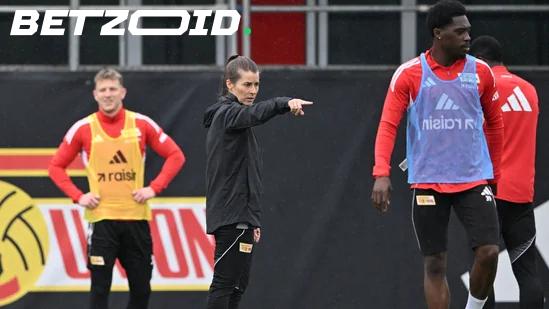
Football history was made in Germany this week. Marie-Louise Eta, 34, took charge as interim head coach of Union Berlin following their disappointing 1-3 home loss to last-place Heidenheim. The appointment marks a groundbreaking moment — she's the first woman to manage a men's squad in any of Europe's top five football leagues. Unsurprisingly, social media erupted with polarizing reactions.
Eta stepped in after Steffen Baumgart's position became untenable following the crushing defeat. Dropping points to the league's bottom club tends to force swift decisions from club management. What emerged from that crisis was a decision that transformed Union's struggling campaign into a conversation extending far beyond the Bundesliga table.
The broader context of progress
England women's national team manager Sarina Wiegman — who has won two European Championships and reached a World Cup final — provided valuable perspective: this moment reflects where society stands. She's absolutely correct. The news arrived just days after NASA astronaut Christina Koch became the first woman to orbit the moon. Change doesn't happen evenly across all sectors, but it's undeniably happening.
The football world, however, has historically resisted such shifts. Even in nations with long-established equality laws, openly gay male professional players remain exceptionally uncommon. Australian midfielder Josh Cavallo recently discussed facing "internal homophobia" at Adelaide United — more than four decades after Justin Fashanu's pioneering story. Evolution occurs, but it's measured in inches rather than miles.
Costa Rica's national team coach Amelia Valverde offered a particularly insightful take: "Every woman who has decided to play soccer, her life is different because they have to do a lot of things to get to the pitch. Which, to me, means that we can put something else on the pitch other than talent: love for instance." This isn't empty rhetoric — it's a pointed observation about the additional obstacles women have faced simply to participate in the sport.
Union Berlin's relegation fight
From a strictly competitive standpoint, Union Berlin face serious challenges. Their loss to Heidenheim — the Bundesliga's bottom-dwelling side — represents exactly the type of result that defines relegation storylines. Eta has inherited a squad clearly lacking confidence, and her chances of engineering a rapid turnaround are slim under any circumstances. The pressure will be immense.
Yet the importance of her hiring extends well beyond one club's fight for survival. Should she successfully stabilize the team, the implications for coaching diversity become permanent. If results don't improve, critics already hostile to her appointment will claim unearned validation.
Regardless of what happens next, the barrier has been broken. She's already made it to the touchline, and that achievement stands on its own.