
FIFA Congress 2026: Pivotal Decisions on Russia Ban, Racism Penalties, and Prize Money Ahead
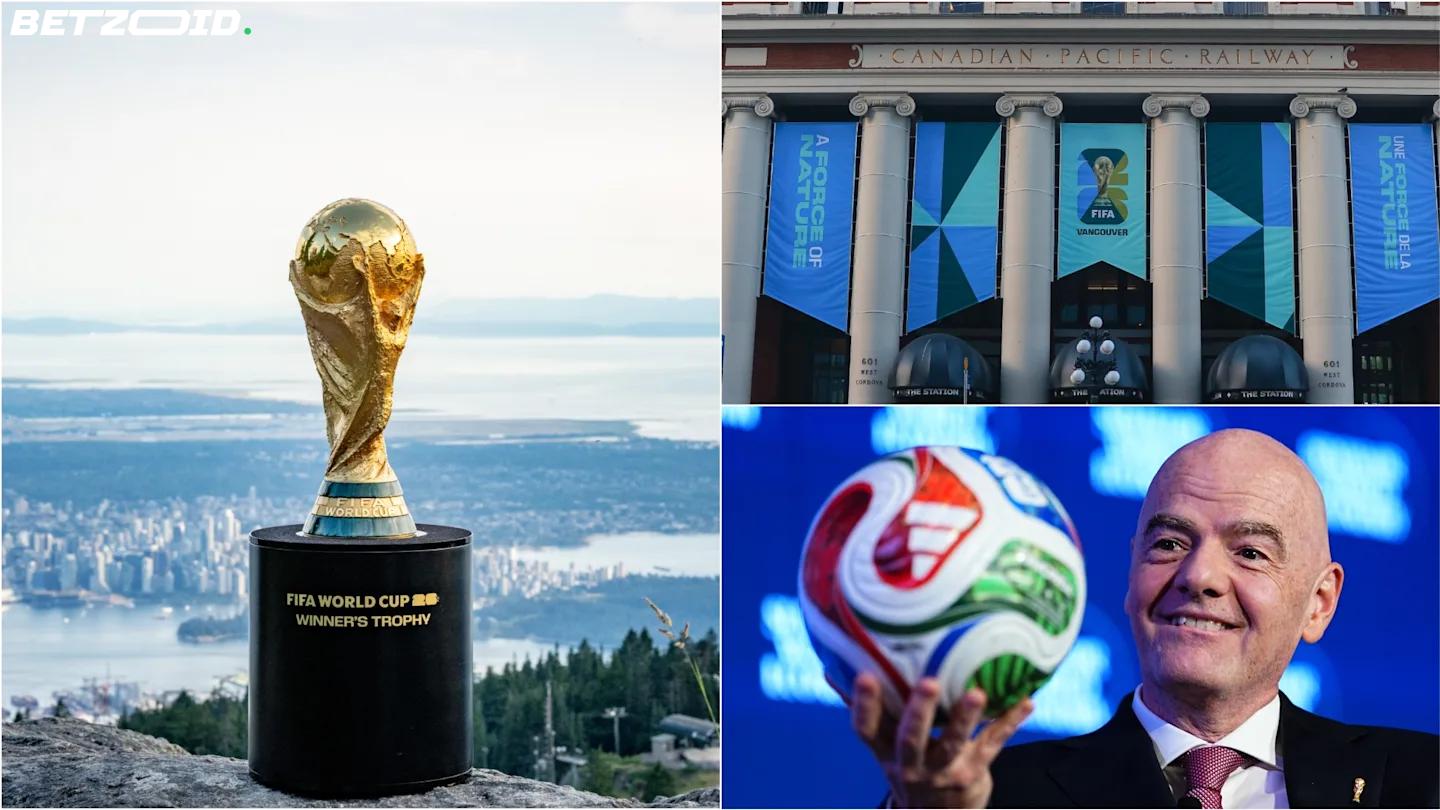
With just fifty days until the World Cup kicks off, FIFA's 211 member associations are convening in Vancouver for what promises to be far more than a routine gathering. The agenda tackles some of football's most pressing and controversial issues: Russia's ongoing suspension, escalating racism incidents, expanded prize money, and a politically contentious new award.
Anti-racism initiatives face reality check after two years
FIFA rolled out its "Global Stand Against Racism" campaign in 2024, built on five core pillars: stricter sanctions, a three-step match intervention protocol, educational programs, a players' advisory panel, and advocacy for international criminal recognition of racist acts. The three-step protocol has seen frequent activation, particularly across Concacaf where Mexico's matches have repeatedly triggered interventions due to discriminatory chanting.
Two years into the initiative, this Congress review is anticipated to demand significantly tougher consequences, especially considering ongoing incidents targeting high-profile players such as Vinícius Junior. Real Madrid goalkeeper Thibaut Courtois didn't mince words in February: "We have to end this now. It has happened many times in football; not just on the pitch but in the stands." When players themselves are issuing such direct calls to action, FIFA faces mounting pressure to move beyond symbolic initiatives.
The critical question remains whether Congress will introduce genuine enforcement mechanisms — including potential match forfeitures and substantial federation penalties — or simply issue another strongly-worded statement.
Russia's status: minimal wording, maximum implications
The Congress agenda references it in just seven words: "Suspension or expulsion of a Member Association." Yet everyone understands the weight behind that line. Russia has been excluded from FIFA and International Olympic Committee competitions since its 2022 invasion of Ukraine. However, FIFA president Gianni Infantino stated in February that the ban "has not achieved anything, it has just created more frustration and hatred" — a comment that sparked immediate controversy.
The reality is more nuanced than outright exclusion. Russia's football federation maintains full UEFA and FIFA membership status — only the national teams are barred from official competition. Russian men's teams have continued playing unauthorized friendlies against nations including Mali, Peru, Bolivia, and Iran. FIFA's announcement of an Under-15 tournament "open to all member associations" signals that youth-level reintegration may already be under consideration.
The International Paralympic Committee has already permitted Russia to compete under its national flag at the Milan Cortina 2026 Games. World Aquatics has made similar moves. While FIFA won't necessarily be first to lift restrictions, Infantino appears prepared to shift direction. Any easing of Russia's suspension could fundamentally alter qualifying frameworks for upcoming tournaments.
Financial expansion and Norway's challenge to controversial award
Member associations will vote on further expanding the 2026 World Cup prize pool, which FIFA had already increased to $727 million — a 50% jump from Qatar 2022. With tournament revenues projected to reach $11 billion, Infantino has suggested additional funds could be distributed to participating nations and all 211 member associations for development purposes. For smaller federations, this represents meaningful investment that directly impacts grassroots programming and coaching infrastructure.
Meanwhile, Norway's Lise Klaveness is advocating for the elimination of FIFA's newly established Peace Prize before it awards a second recipient. The award, introduced in 2025 without any public nomination process, was presented to Donald Trump at the World Cup draw ceremony in Washington. Klaveness — who also serves on UEFA's executive committee — has argued that FIFA must maintain "an arm's length distance" from political figures. While she won't be speaking publicly this week, her position has gained traction among other federations.
FIFA established the Peace Prize in the months following Trump's unsuccessful campaign for the Nobel Peace Prize. The timing and optics remain subjects of significant scrutiny.