
Iran's World Cup 2026 Participation Hangs in the Balance Over Player Safety
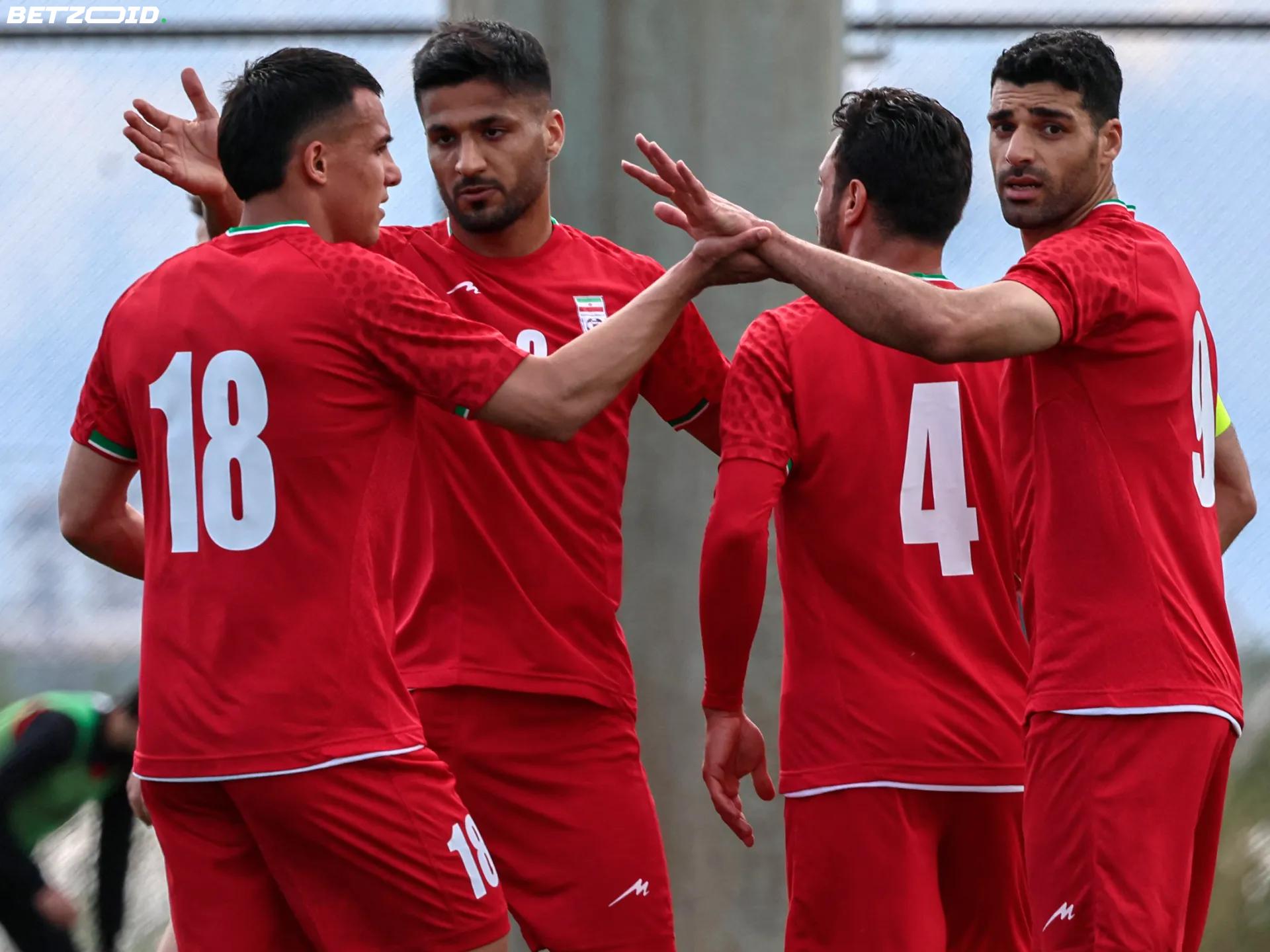
Iran's Sports and Youth Minister Ahmad Donyamali has made it clear: Team Melli will only travel to the 2026 World Cup if player safety can be guaranteed. "If the safety of the national team's players in the United States is ensured, we will travel to the World Cup," Donyamali stated, emphasizing the conditional nature of Iran's participation.
While the Iranian squad continues preparations with scheduled training camps and completed friendly matches, the final decision on whether the team travels to the United States rests not with the football federation or the players themselves, but with Iran's government and the Supreme National Security Council. FIFA has no authority over this determination.
Geopolitical tensions complicate tournament logistics
This situation extends far beyond typical sporting concerns. Iran and the United States have been engaged in military conflict since February 28. A ceasefire brokered by Pakistan, with a critical deadline of April 22, represents the sole factor determining whether Iran will compete in the tournament.
Iran's Football Federation attempted to find a compromise by requesting FIFA relocate their group stage matches away from American soil. FIFA rejected this proposal, citing insurmountable logistical challenges. This leaves Iran with only two choices: compete in the U.S. as scheduled, or withdraw from the World Cup entirely.
FIFA President Gianni Infantino, who maintains a working relationship with Donald Trump, has expressed confidence that Iran "has to come" to the tournament. However, Trump himself posted on social media last month suggesting it "would not be appropriate" for Iran to participate, ostensibly citing safety considerations. Infantino appears to be wagering that diplomatic channels can resolve what military hostilities have complicated.
Donyamali's approach remains practical and professional. The national team continues training regardless of political uncertainties. A training camp is scheduled to begin May 10. "Our duty from a professional point of view is to carry out the work and preparation," he explained. Yet there's a crucial distinction between preparing for competition and actually participating in it.
Tournament implications and group stage outlook
Iran has been drawn into a potentially manageable group. They're scheduled to open against New Zealand on June 15 in Los Angeles, followed by a match against Belgium on June 21, also in LA, before completing group play against Egypt in Seattle on June 26.
From a purely footballing perspective, this represents a group Iran could reasonably advance from. New Zealand appear to be the most beatable opponent, while Egypt aren't guaranteed qualifiers themselves. Belgium present the obvious challenge, but Team Melli possess the quality to compete at that level.
For bettors and analysts, any odds or markets involving Iran carry significant withdrawal risk at this moment. That uncertainty won't dissipate until the ceasefire situation becomes clearer and Tehran issues a formal declaration on their participation.
The training camp commences May 10, but the deadline that truly matters arrived four days earlier. April 22 marked the point when the ceasefire either held or collapsed — and with it, Iran's World Cup dreams.