
What History Tells Us About Real Madrid's Trophyless Campaigns Under Pérez
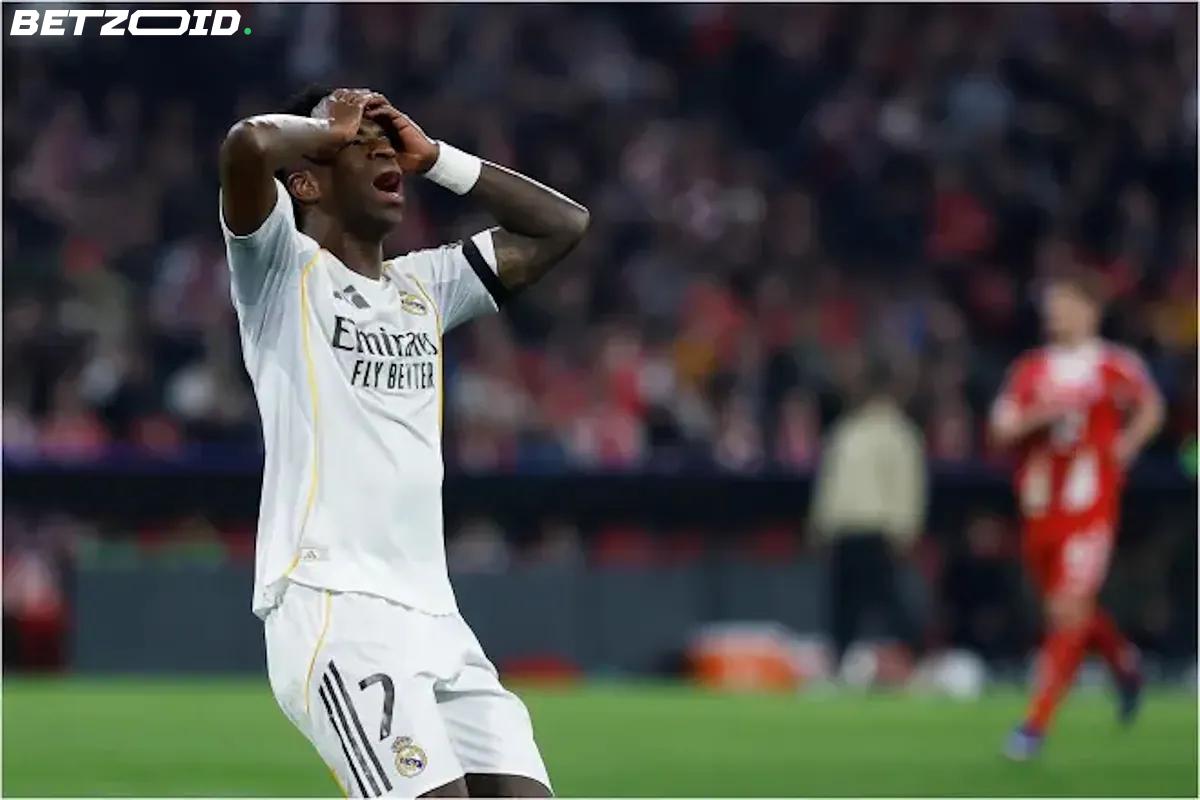
Álvaro Arbeloa's future at the Santiago Bernabéu appears uncertain. Unless something remarkable occurs in La Liga's final stretch, Real Madrid is poised to complete the 2024-25 campaign without lifting a single piece of silverware—and those familiar with club president Florentino Pérez's track record understand this scenario never concludes peacefully.
Since assuming the presidency in June 2000, Pérez has overseen five trophy-free league campaigns. Each instance has sparked substantial organizational changes. The consistency of these reactions suggests they represent deliberate policy rather than mere happenstance.
Pérez's proven pattern of response
The initial drought occurred during the 2003-04 season. The Galáctico experiment was already showing cracks—Carlos Queiroz's efforts to update Vicente del Bosque's system failed spectacularly, with only a solitary Spanish Super Cup to celebrate. The subsequent campaign proved even more disastrous. José Antonio Camacho survived just three league matches, Michael Owen arrived amid great fanfare but delivered minimal impact, and Madrid rotated through Mariano García Remón and Vanderlei Luxemburgo without capturing any honours. After two consecutive barren seasons, Pérez tendered his resignation in February 2006, effectively ending the first Galáctico chapter.
His 2009 comeback followed a comparable trajectory. Manuel Pellegrini was brought in alongside Cristiano Ronaldo, Kaká, Karim Benzema, Xabi Alonso, and a roster assembled at staggering expense. Despite the investment, they claimed no trophies. The campaign's most embarrassing moment came in a 4-0 Copa del Rey humiliation against Alcorcón, a third-division club. José Mourinho's appointment was confirmed shortly after season's end, club legends Raúl and Guti were ushered out, and the subsequent era produced four UEFA Champions League crowns in seven seasons.
The 2020-21 season interrupted that successful stretch—no domestic championship, a Champions League semi-final elimination by Chelsea, and a quarter-final Copa del Rey defeat at home against Real Sociedad. While the immediate response didn't involve a coaching change, it hastened Zinedine Zidane's second exit and brought the contentious Sergio Ramos situation to its inevitable end. Ramos departed that summer. Carlo Ancelotti returned. Los Blancos subsequently captured La Liga in 2022, the Champions League that same year, and La Liga once more in 2024.
Luxemburgo stands as the sole manager in the Pérez administration to endure a trophyless campaign—and just barely. He inherited a chaotic situation in December and managed only 14 league fixtures the following season before dismissal. That represents the closest approximation to mercy this presidency has demonstrated.
Expected summer transformation
Arbeloa lacks the credentials of Mourinho. He doesn't possess Ancelotti's résumé. He's not even an established head coach at this elite level, and reports emerging from the Valdebebas training complex indicate the organization recognizes this reality. Madrid executives are already exploring contingency plans for next season's bench.
The club has accumulated 37 trophies during Pérez's tenure—approximately 30% of their complete historical collection. Success expectations are embedded in the institution's framework, not simply hopeful targets. When a squad of this calibre concludes a campaign empty-handed, it's interpreted internally as systemic breakdown rather than misfortune.
Historical precedent places Real Madrid's upcoming managerial decision squarely under the microscope. The next appointment inherits a locker room fully aware of what transpires following seasons like this—and precisely what response is demanded.
Only Luxemburgo challenged Florentino's tolerance through two consecutive trophy-free campaigns. He never reached a third.