
Arizona Facility Maintains Iran's World Cup Base Camp Despite US-Iran Military Conflict
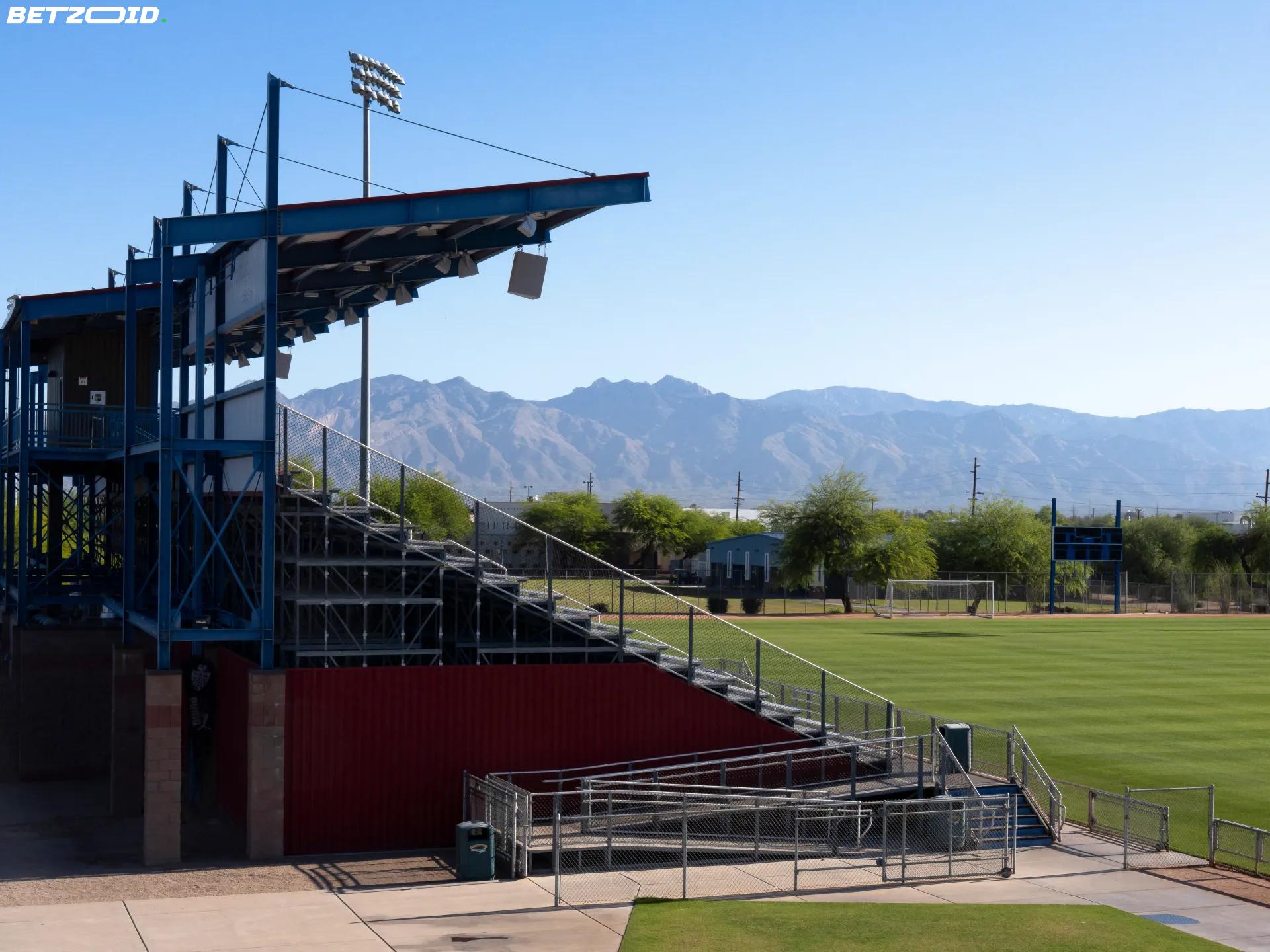
"We welcome them with open arms." This message emanates from Tucson, Arizona — a city currently preparing grass to FIFA specifications and securing accommodations for a national football squad whose homeland remains in conflict with the tournament's host nation.
The Kino Sports Complex continues full operations as Iran's official World Cup training facility, conducting 12 to 20 FIFA inspection meetings weekly, with ice baths prepared, weight training equipment ready, and comprehensive security measures implemented. Sarah Hanna, the facility's director, remains emphatic: "From our perspective, this is 100 percent confirmed, and there's been no change to that status."
Such certainty warrants recognition, considering the genuinely complex geopolitical circumstances surrounding the situation.
Military Operations, Maritime Restrictions, and Presidential Commentary
US-Israeli joint military actions targeting Iran commenced on February 28. Tehran retaliated with counterstrikes against Israeli territory, American military installations throughout the Middle East region, and critical energy infrastructure. While a ceasefire has held for approximately one month, Iran has effectively sealed the Strait of Hormuz while Washington has established a naval blockade around Iranian ports. Characterizing the situation as "settled" would be overly optimistic.
Against this backdrop, former President Trump posted on social media in March acknowledging Iranian players were "welcome" while questioning whether participation might be "appropriate" considering their "own life and safety." Iran's football federation president responded last Friday by reaffirming the team's participation — though accompanied by specific requirements regarding visa processing and staff accommodations.
FIFA has maintained the tournament will proceed according to schedule. The organization has limited alternatives. Excluding Iran would establish a troubling precedent affecting every subsequent World Cup staged in politically sensitive locations — which encompasses the majority of host nations.
Group G Competition and On-Field Implications
Should Iran take the pitch as scheduled, they begin against New Zealand on June 15 in Los Angeles, meet Belgium six days afterward in the same venue, then conclude Group G play against Egypt on June 21 in Seattle. This grouping presents a realistic advancement opportunity — New Zealand and Egypt represent potentially winnable fixtures — though Belgium introduces genuine quality into the equation.
The uncertainty surrounding Iran's participation creates substantial challenges for analyzing Group G outcomes. A squad training under these circumstances, potentially managing visa complications and political pressure leading directly into tournament play, cannot be expected to operate at optimal psychological readiness. These factors become crucial when competitive margins are razor-thin.
Jon Pearlman, FC Tucson's president, offered a straightforward perspective: "We believe football serves to unite nations, not divide them." It's an admirable sentiment. The Iranian football federation's list of stipulations suggests they remain unconvinced the sentiment aligns with practical reality.