
How Wrexham's Documentary Success Skyrocketed Revenue Without Earning a Dime from FX
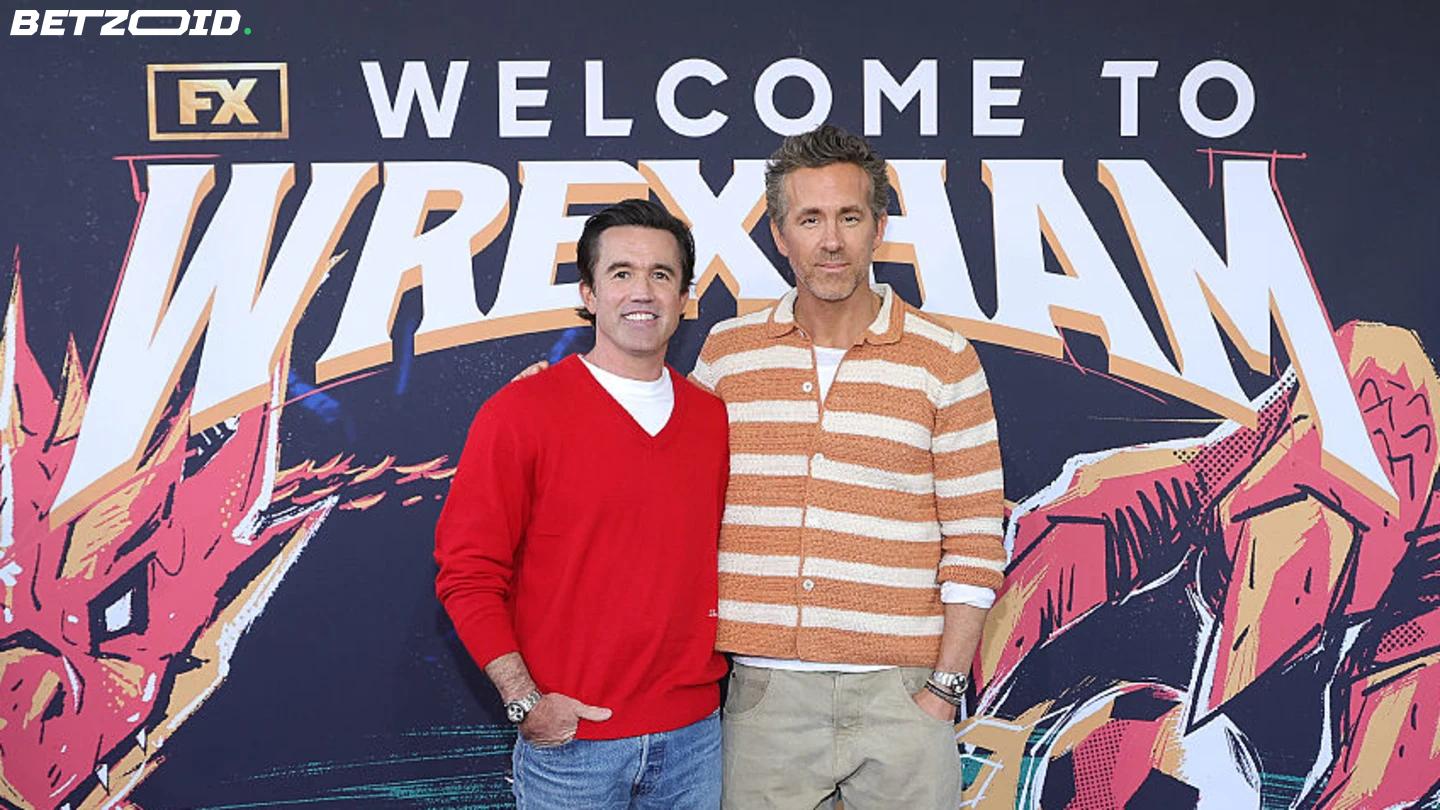
Here's a surprising fact: Wrexham AFC doesn't earn a single dollar directly from the hit FX docuseries "Welcome to Wrexham." Yet the show has transformed the Welsh club into a financial powerhouse that rivals top-tier football organizations.
When Hollywood stars Rob McElhenney and Ryan Reynolds took ownership of the club, Wrexham was generating just $1.55 million in annual revenue as a non-league team. Fast forward to their 2024-25 financial results—the season they earned promotion to the EFL Championship—and turnover reached an impressive $45.05 million. Club insiders project that figure will climb to approximately $65 million once their inaugural Championship campaign is fully accounted for. That represents a forty-fold increase in revenue for the same club that has climbed from non-league football to England's second tier in just a few short years.
Sponsorship deals driving unprecedented growth
While the documentary doesn't write Wrexham cheques, it functions as an incredibly effective marketing platform. Last year's sponsorship revenue hit $23.46 million—a staggering figure when compared to the League One average of roughly $2.7 million. Major brands like United Airlines (front of kit), Meta Quest (back of kit), HP (sleeves), and STōK Cold Brew (stadium naming rights) don't typically align themselves with second-tier clubs based solely on league standings.
Chris Bagnall, founder of marketing firm Transmission, shared the inside story of how HP became involved with Wrexham. During a strategy session focused on humanizing HP's small and medium business narrative, his team stumbled upon "Welcome to Wrexham." Bagnall characterized the club as "the SMB of the soccer world." Within days, he was coordinating a meeting with Ryan Reynolds before a home match.
This demonstrates how the docuseries functions as a continuous sales engine—generating opportunities long after individual episodes air.
The club's geographic reach tells an equally compelling story. According to reports, North American sources now account for 57.7% of Wrexham's total revenue. A sold-out pre-season tour through Australia and New Zealand last summer further expanded their global footprint. Merchandise sales reached a club-record $6.84 million. These financial metrics don't reflect a typical mid-table Championship side—they reveal a global brand that happens to compete in football.
Disney commits to three additional seasons
Before Season Five even premieres on May 14, 2026, Disney had already greenlit three more seasons of the documentary. This kind of long-term commitment fundamentally strengthens Wrexham's negotiating power in every sponsorship discussion heading into this summer.
McElhenney explained it clearly: "When Walt Disney comes out and says, 'We want to buy three more seasons of the show,' that is a pretty good indication that people are watching. That means sponsors, revenue dollars, and other fans are going to look at us."
He's absolutely correct. Disney's endorsement carries weight that raw viewership numbers alone cannot provide—it signals massive scale to corporate partners who control significant marketing budgets. Wrexham's commercial team enters those negotiations with leverage that most Championship clubs simply cannot match.
Season Five will document the men's first team competing in the Championship—the highest level in the club's 162-year history—while the women's squad pursues their first Welsh league championship. Disney didn't invest in three more seasons of a declining story. The Red Dragons continue their ascent, and the cameras will capture every moment.