
Bale Discloses Real Reason Behind Rejecting Manchester United's Larger Offer for Real Madrid
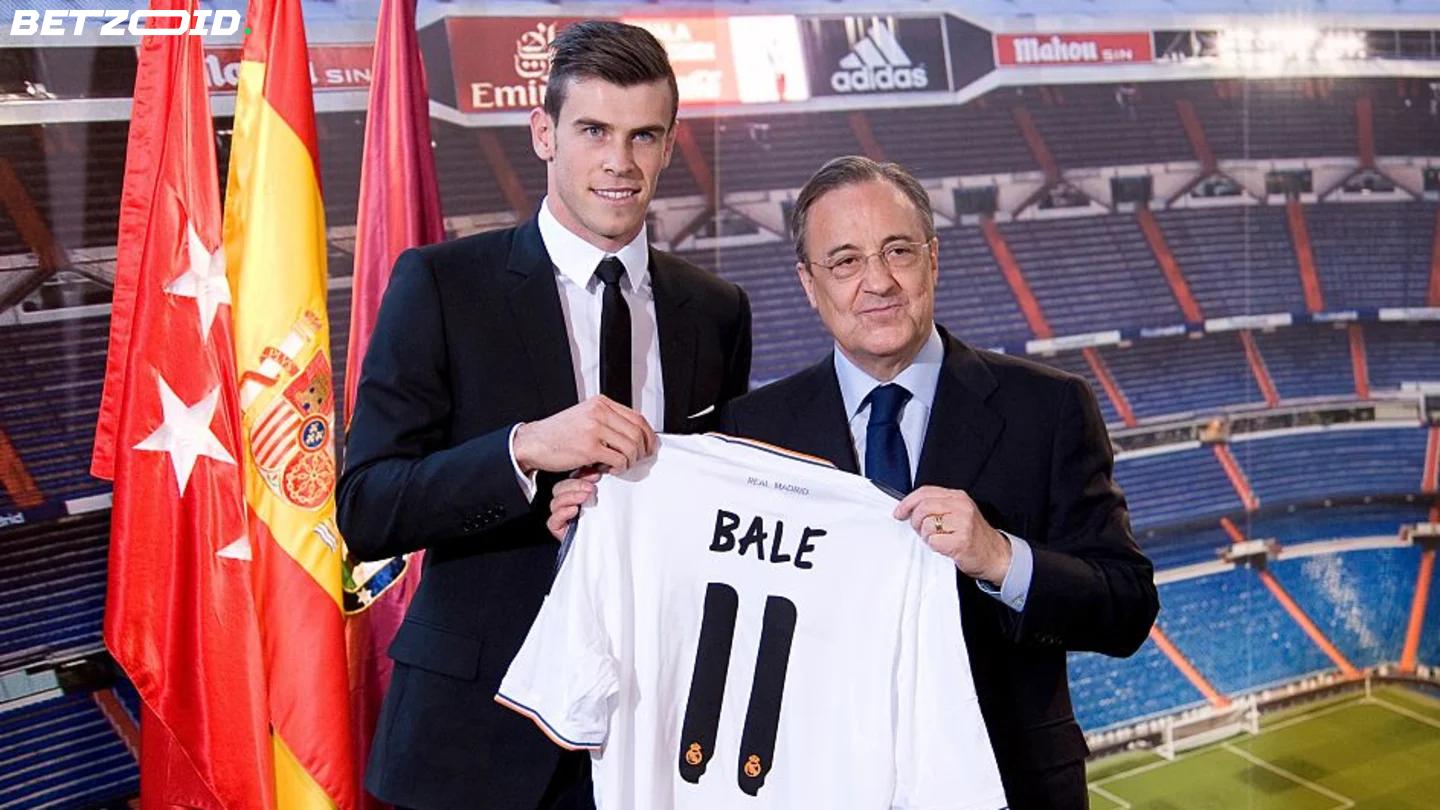
Picture how dramatically different football history might have unfolded had Gareth Bale chosen Manchester United over Real Madrid. The Welsh icon has finally shed light on his decision to reject the Red Devils back in 2013, and the revelation is quite remarkable.
Speaking on the recent Stick to Football podcast, Bale shared some eye-opening details. He confirmed that United's bid actually exceeded Real Madrid's offer. That's correct – they offered more than the club that ultimately shelled out a world-record $133 million CAD for his services.
However, there's a crucial detail: Bale never seriously entertained joining United. When directly asked if he genuinely considered the switch, his response was a definitive "No."
The Handshake Deal That Shaped His Future
What convinced Bale to reject a higher payday in the Premier League? Two compelling factors. Firstly, his ambitions were firmly focused on the Spanish capital. Secondly, he had established what he describes as a "gentleman's agreement" with Tottenham chairman Daniel Levy.
The arrangement was straightforward. Levy opposed strengthening a direct Premier League competitor, meaning he refused to sell Bale to another English side. However, if interest arrived from Spain, Italy, or Germany? That opened the door completely.
"If we didn't qualify for the Champions League, which we didn't, I was then able to go," Bale disclosed. Tottenham had concluded the campaign merely one point behind Arsenal, missing Champions League qualification by the slimmest margin imaginable.
United's Disastrous Transfer Window Explained
United desperately needed marquee acquisitions. Sir Alex Ferguson had just stepped down, and incoming manager David Moyes required blockbuster signings to launch his tenure. Recall when chief executive Ed Woodward abruptly departed the squad's preseason tour in Australia for "urgent transfer business"? That mission failed spectacularly.
Although Bale held discussions with Moyes personally, his decision was already finalized. United concluded that transfer window with a solitary signing: Marouane Fellaini from Everton. They overspent at $42.9 million CAD after allowing his more affordable release clause to lapse. Painful.
The consequence? United placed seventh that campaign – their worst Premier League standing ever at that juncture. For those interested in transfer market dynamics, this illustrates how dramatically a single acquisition can alter a club's trajectory. Losing out on Bale essentially sabotaged United's entire season.
Conversely, Bale flourished at Madrid. He netted the decisive goal in the Copa del Rey final against Barcelona during his debut season. He then delivered the vital extra-time strike in the Champions League final versus Atlético Madrid. Quite the introduction.
Across eight seasons, Bale accumulated 176 goals and assists across 258 appearances. He captured five Champions League titles and 16 total trophies. Certainly, injuries hampered him and the Spanish press criticized him relentlessly, but his achievements are undeniable.
This represents one of football's genuine sliding doors scenarios. Had Bale selected United, both organizations' histories would appear radically different today.