
FIFA Charges Up To $250 For World Cup Parking Passes In Miami
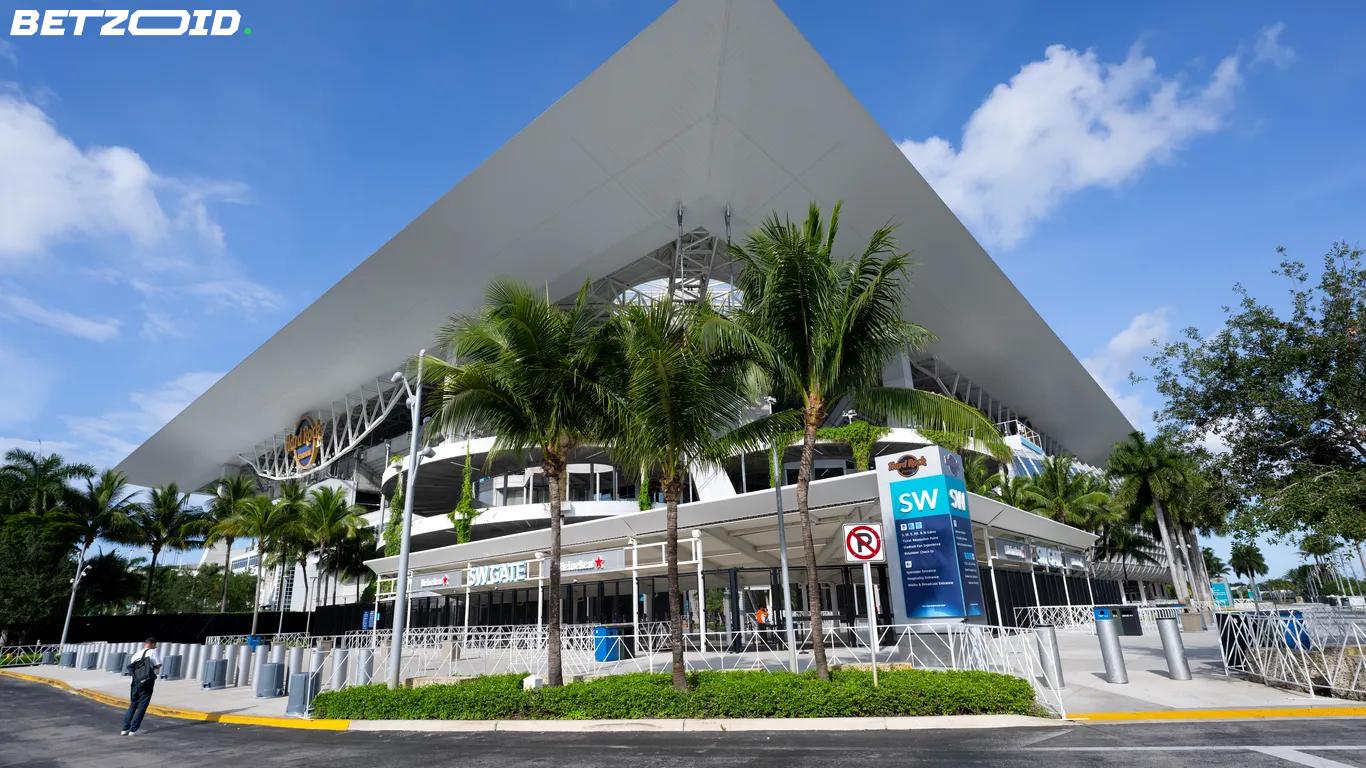
FIFA is demanding up to $250 just to park your vehicle at World Cup matches. That's not for a ticket to get inside Hard Rock Stadium in Miami. Not for team merchandise. Simply for a parking spot.
Single-day parking passes for World Cup fixtures at the Miami venue will cost between $175 and $250, with advance purchase mandatory — spontaneous arrival won't cut it. The policy is straightforward: one match ticket equals one required parking pass.
FIFA's reasoning falls flat
The football governing body claims pricing is "determined based on local market conditions and benchmarking against comparable major events previously held in each host city." Stripped down, that translates to "others charged high prices, so we're following suit." FIFA added that proceeds will be reinvested into football development — but refused to provide specifics on implementation or distribution.
For perspective, secondary market parking for January's College Football Championship reached nearly $400, with some passes exceeding $700. Against that backdrop, $250 might seem almost palatable. Almost.
Criticism has mounted across American host cities, with Miami becoming the latest pressure point. When fans are already shelling out hundreds or thousands for match admission, tacking on an extra $250 before entering the stadium hits hard.
Free shuttle service presents a legitimate alternative
Miami-Dade County is providing complimentary shuttle transportation for ticket holders from four strategic locations:
- Dr. Martin Luther King, Jr. Metrorail Station
- Brightline Aventura
- Golden Glades Intermodal Station
- Seminole Hard Rock Hotel
For fans living near a Brightline station or within reach of a Metrorail stop, the shuttle system isn't merely a backup plan — it's likely the superior choice. South Florida traffic during World Cup match days will be nightmarish on its own.
FIFA's parking scheme will generate substantial revenue. It consistently does. The real question remains whether those funds genuinely return to grassroots football programs, or vanish into the murky financial practices that have shadowed the organization for years.