
FIFA Proposes Double Yellow Card Reset for 2026 World Cup in Canada, U.S., and Mexico
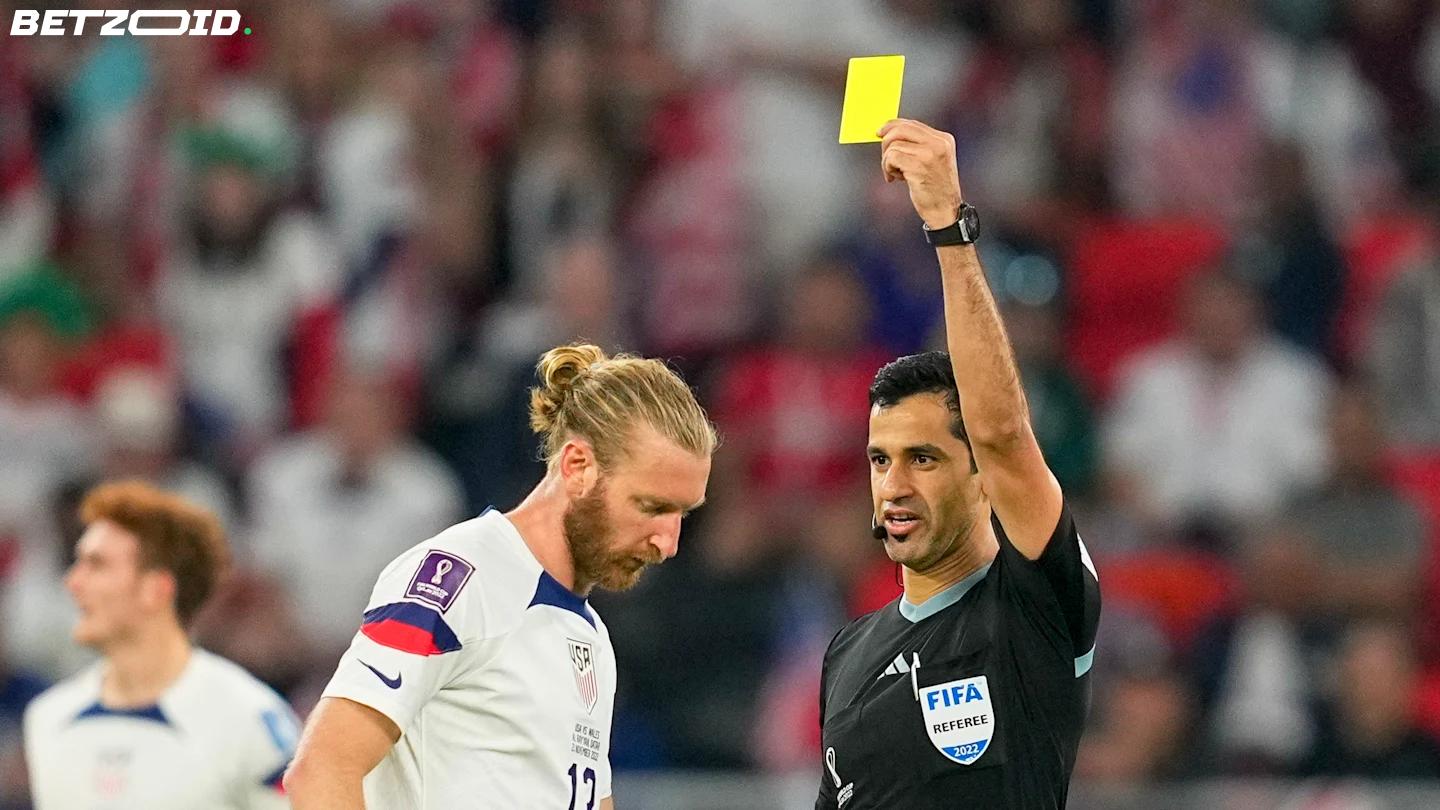
FIFA is on the verge of implementing a rule modification that could fundamentally alter how nations manage player discipline at the upcoming World Cup — and it represents one of the more logical adjustments the organization has considered in recent memory.
The recommendation, scheduled for review at the FIFA Council gathering in Vancouver this Tuesday, would reset yellow card counts at two distinct stages during the competition: following the group phase, and once more after the quarterfinal round. Under existing regulations, there's just a single amnesty — following the quarterfinals — which means footballers can be sidelined for the round of 32 and quarterfinal matches due to card buildup. With the tournament's expansion to 48 nations and the introduction of a round of 32, the previous single-reset system would expose additional knockout fixtures to suspension-related player absences.
Receiving two cautions still results in a one-match suspension. Red cards continue to mean watching from the sidelines. This isn't a free pass — it's a practical solution to an issue that intensified when FIFA introduced another knockout stage.
The Impact on Knockout Round Football
Consider the consequences of the previous framework: overly defensive play in final group matches, managers substituting players already carrying a yellow card, elite talents missing round of 32 fixtures because of a minor infringement in a meaningless contest. None of this enhances the spectacle. A World Cup that loses its premier players to administrative rules rather than on-field competition doesn't benefit anyone — not supporters, not media partners, and particularly not the wagering landscape where player participation directly influences odds on markets ranging from anytime goalscorer to match outcomes.
The enlarged tournament format raises the importance. There are now four knockout stages preceding the championship match, rather than three. Without a secondary reset, the accumulation period extends, and the likelihood of a Kylian Mbappé or a Vinícius Júnior being unavailable for a quarterfinal due to two questionable cautions increases significantly.
Additional Items Under Discussion in Vancouver
The yellow card matter represents just one topic on an extensive schedule. More than 1,600 representatives are in Vancouver this week for Tuesday's FIFA Council session and Thursday's complete FIFA Congress, where all 211 member federations convene.
- Russia's possible reinstatement to international competition is allegedly under consideration
- Selections for future World Cup host nations will be examined
- Further regulation modifications may be proposed, with Canada's professional league functioning as FIFA's experimental venue for Football Video Support technology and Arsène Wenger's revised 'daylight' offside interpretation
Vancouver is set to stage seven World Cup fixtures this summer, including two contests featuring co-hosts Canada, a round of 32 encounter, and a round of 16 match. The city is effectively performing dual functions — administrative centre this week, competition host the following.
The secondary amnesty hasn't received final approval yet, but should the FIFA Council endorse it Tuesday, it advances to Congress on Thursday. Following that, implementation would occur this summer. The 2026 World Cup already represents the most structurally transformed tournament in the event's history. Ensuring elite players remain available for the most significant matches appears to be the minimum FIFA should accomplish.