
Iranian Football Officials Unable to Attend AFC Congress in Vancouver Due to Visa Complications
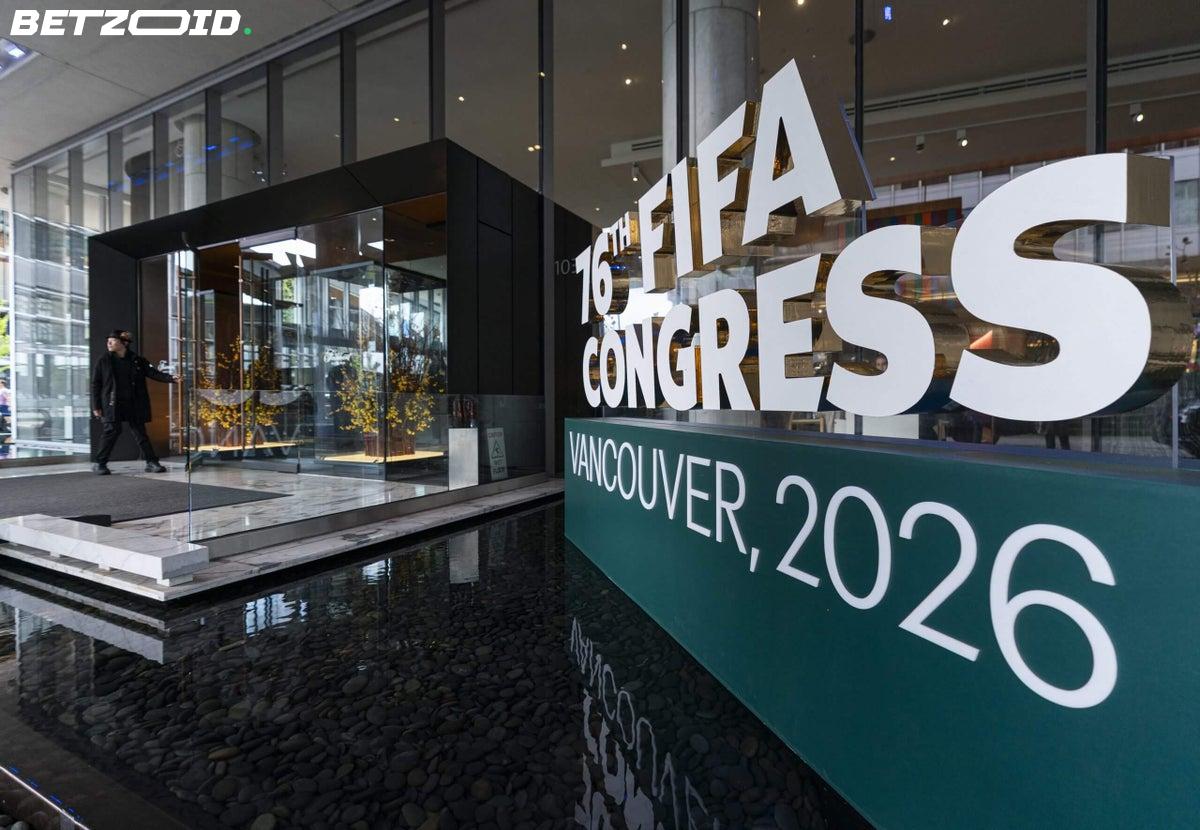
Iranian football executives were notably absent from Tuesday's Asian Football Confederation (AFC) Congress held in Vancouver, with their empty seats serving as a stark reminder of the geopolitical challenges facing international football today.
AFC general secretary Windsor John addressed the absence during roll call, explaining that "the Football Federation of Islamic Republic of Iran is unable to attend the 36th AFC Congress 2026 due to some visa formalities issues." The federation's commemorative shields — presented to nations that have secured spots in the 2026 World Cup — will be delivered "once they arrive," though their attendance remains uncertain.
Ongoing Visa Challenges for Iranian Delegates
This marks yet another instance of Iranian officials encountering border entry obstacles. Prior to the December World Cup draw held in Washington, D.C., several Iranian delegates had their visa applications rejected, prompting the full delegation to threaten a boycott before a limited group eventually participated. U.S. Secretary of State Marco Rubio addressed the situation last week, citing concerns about potential connections to the Islamic Revolutionary Guard Corps (IRGC) among support personnel and officials. "What they can't bring is a bunch of IRGC terrorists into our country," Rubio stated.
While athletes themselves seem protected — the current U.S. travel restrictions include exemptions for players, coaches, and essential support staff — the distinction between "support staff" and "executive" remains ambiguous. These determinations fall under the authority of U.S. officials, creating considerable uncertainty for delegations attempting to coordinate World Cup preparations.
Iran has successfully qualified for the tournament. However, whether officials and support personnel beyond the playing squad will be permitted to participate remains an open question.
Multiple Federations Encountered Entry Difficulties
Iran wasn't the only federation struggling with entry permissions. Palestine's vice president Susan Shalabi revealed that between 10 and 12 federations experienced visa complications. The Palestine Football Association (PFA) saw its president, general secretary, and legal counsel initially denied entry. Only after political intervention, social media advocacy, and media scrutiny did the Canadian government reverse its decision — and even then, PFA president Jibril Rajoub missed Tuesday's AFC gathering, expected to arrive only for Thursday's FIFA Congress.
"Let's hope we don't face problems," Shalabi commented when questioned about traveling to the World Cup itself. Such uncertainty is particularly troubling for officials representing a population experiencing ongoing conflict.
The implications extend beyond individual cases. The U.S. travel ban has recently expanded beyond its initial 12 countries to include Senegal and Ivory Coast, both World Cup participants. While exemptions for athletes exist in policy, their consistent and fair application in practice will ultimately determine whether national teams arrive at full strength or face significant disruptions.
FIFA president Gianni Infantino delivered his message of unity, while AFC president Sheikh Salman spoke about building bridges and acknowledging shared struggles. Forty-six of 47 AFC member nations managed to participate in Tuesday's proceedings — some remotely via Zoom, others in person, including representatives from nations currently experiencing armed conflict. The forty-seventh member's chairs remained conspicuously empty.