
Pochettino Confident USA Can Claim 2026 World Cup Glory
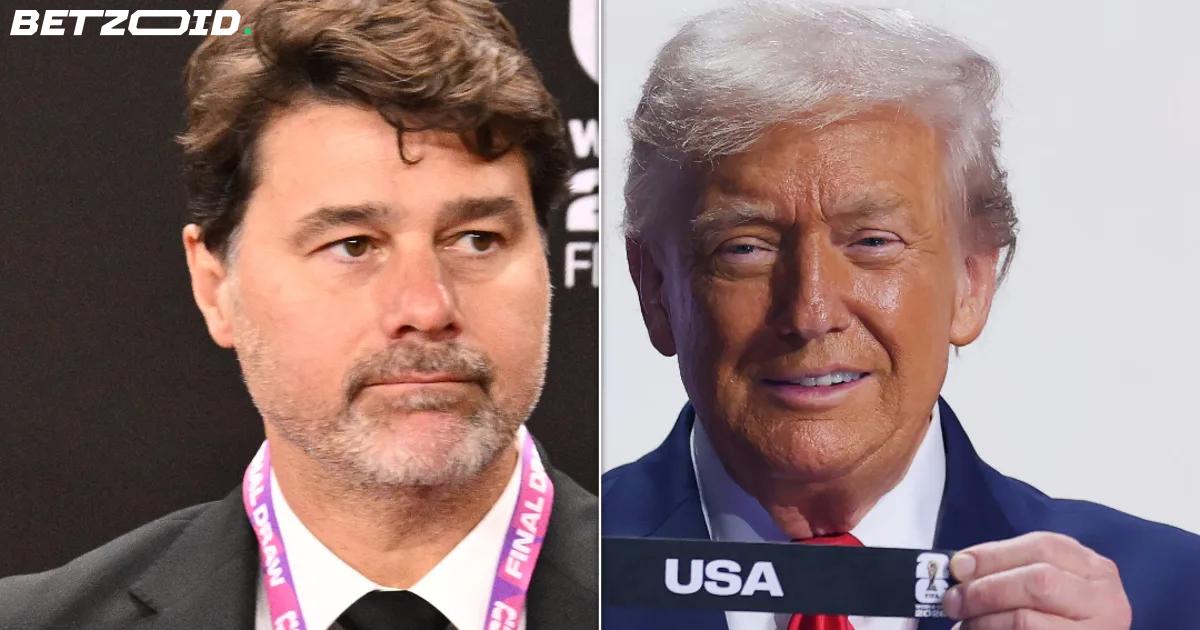
When Donald Trump posed a direct question to Mauricio Pochettino at the 2026 World Cup draw in Washington, D.C. last December, the U.S. men's national team coach didn't hesitate. "Do you think, coach, that we can win?" Trump asked. Pochettino's response, delivered during an appearance on Gary Neville's Stick To Football podcast, was immediate and unwavering.
"Why not? Why not?"
At first glance, it might seem like diplomatic deflection. But Pochettino backed up his optimism with concrete examples. He referenced Morocco's stunning run to the semi-finals at the 2022 Qatar World Cup and South Korea's remarkable journey to the final four on home turf in 2002 — two nations that nobody predicted would advance so far, yet both shattered expectations when playing at home or in their region.
The Argentine tactician isn't guaranteeing American triumph. Rather, he's arguing that writing off the USMNT is shortsighted.
The American squad's genuine potential
Currently sitting 16th in the FIFA world rankings, the United States isn't considered among the elite favourites, but they're far from being tournament fodder. The Americans have consistently advanced to the knockout rounds in their last three World Cup campaigns: 2010, 2014, and 2022. That consistency represents their baseline performance, not their upper limit, and Pochettino understands that a host nation backed by passionate supporters becomes an entirely different proposition than a team competing abroad.
Sharing hosting duties with Canada and Mexico means the U.S. will contest their group stage matches before massive home crowds. History proves this advantage is substantial. France captured their first World Cup title in 1998 as hosts. Germany rode home support to the semi-finals in 2006. While supporters don't literally put the ball in the net, they create momentum shifts that compound over the course of a match.
That said, "why not" represents belief rather than tactical planning. The Americans have never progressed beyond the quarter-finals — a benchmark they achieved back in 2002. To reach the final stages in 2026, they would need to overcome powerhouses like Brazil, France, or England. World Cup betting markets clearly reflect this substantial gap in expectations.
Pochettino undoubtedly possesses the self-belief required for such an ambitious goal. Whether his roster can match that confidence remains the critical question that the next 14 months will begin to resolve.