
Why Real Madrid Will Never Match Barcelona's Legendary Football Legacy
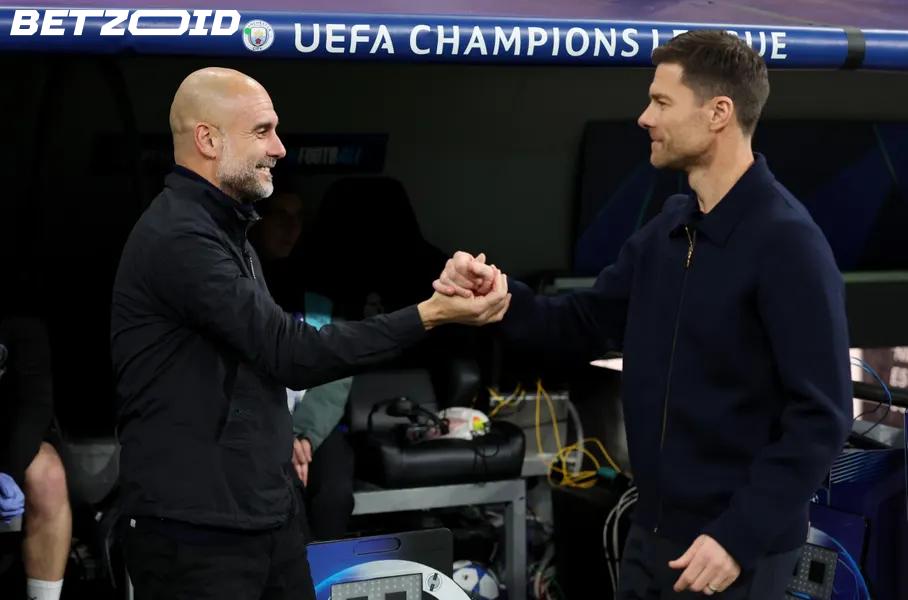
Real Madrid collects silverware with remarkable consistency. Champions League trophies seem to find their way to the Santiago Bernabéu while rival clubs struggle endlessly in pursuit. Yet when discussing football legacy, victory totals don't tell the complete story.
Los Blancos undoubtedly rank as this century's most successful club by silverware count. However, when supporters reminisce about truly legendary squads, Barcelona's name surfaces with greater frequency. The footballing revolution sparked by Pep Guardiola's Barcelona transcends mere trophy cabinets.
That early 2010s Barcelona side remains unforgettable. Xavi Hernández, Andrés Iniesta, and Lionel Messi orchestrating mesmerizing tiki-taka football. This team accomplished far more than winning titles – they fundamentally altered global football philosophy. Coaches worldwide continue analyzing and implementing their tactical approach today.
Real Madrid, conversely, operates through galáctico accumulation. Their attacking firepower is undeniable. Yet there's no cohesive footballing identity. No enduring tactical influence extending beyond championship tallies. This reality frustrates Madrid's leadership immensely.
Madrid's Quest for Their Guardiola Figure
The Spanish giants have frantically searched for their version of Guardiola. Someone capable of constructing a dynasty rooted in football philosophy rather than superstar acquisition. Zinedine Zidane delivered three consecutive Champions League titles, but even the French legend never established a distinctive tactical blueprint.
Enter Xabi Alonso. Following his remarkable tenure at Bayer Leverkusen, he appeared tailor-made for the challenge. His résumé included stints playing for Madrid and learning under Guardiola at Bayern Munich. He offered contemporary tactical innovation and progressive football concepts.
From a betting perspective, Alonso's arrival initially suggested promise. Clubs with defined tactical frameworks typically deliver more predictable performance patterns. However, Madrid's star-centric culture was destined to conflict with systematic approaches.
The collision proved immediate. Tensions emerged instantly. Vinícius Júnior openly questioned the tactical direction. Squad morale deteriorated. Results disappointed, and Alonso's dismissal arrived swiftly.
The Unchangeable Madrid DNA
Spanish football analyst Guillem Balague reported the club offered Alonso ambiguous explanations for his termination. Management claimed he couldn't replicate his Leverkusen methodology. That individual players weren't developing. That the squad lacked commitment to his vision.
The fundamental problem runs deeper – Madrid's organizational structure prevents any manager from genuinely transforming the institution. Alonso acknowledged this reality himself, noting that coaches must conform to Madrid's established culture rather than reshape it.
At Leverkusen, Alonso's squad exhibited relentless intensity and tactical clarity. At Madrid, he appeared to abandon his core principles immediately. This represents a warning signal for bettors expecting consistent tactical execution from Los Blancos this campaign.
The conclusion? Real Madrid will continue accumulating silverware. Their talent pool guarantees success. But they'll never generate the revolutionary, game-changing identity that Barcelona accomplished. Their institutional culture fundamentally prohibits it.
Alonso's parting statement captured everything: "This professional chapter is over, and it didn't go as we would have liked." Another manager attempted building something transformative at Madrid. Another manager discovered the club's DNA remains immutable.