
Breaking Down José Mourinho's Managerial Journey Since His Real Madrid Departure
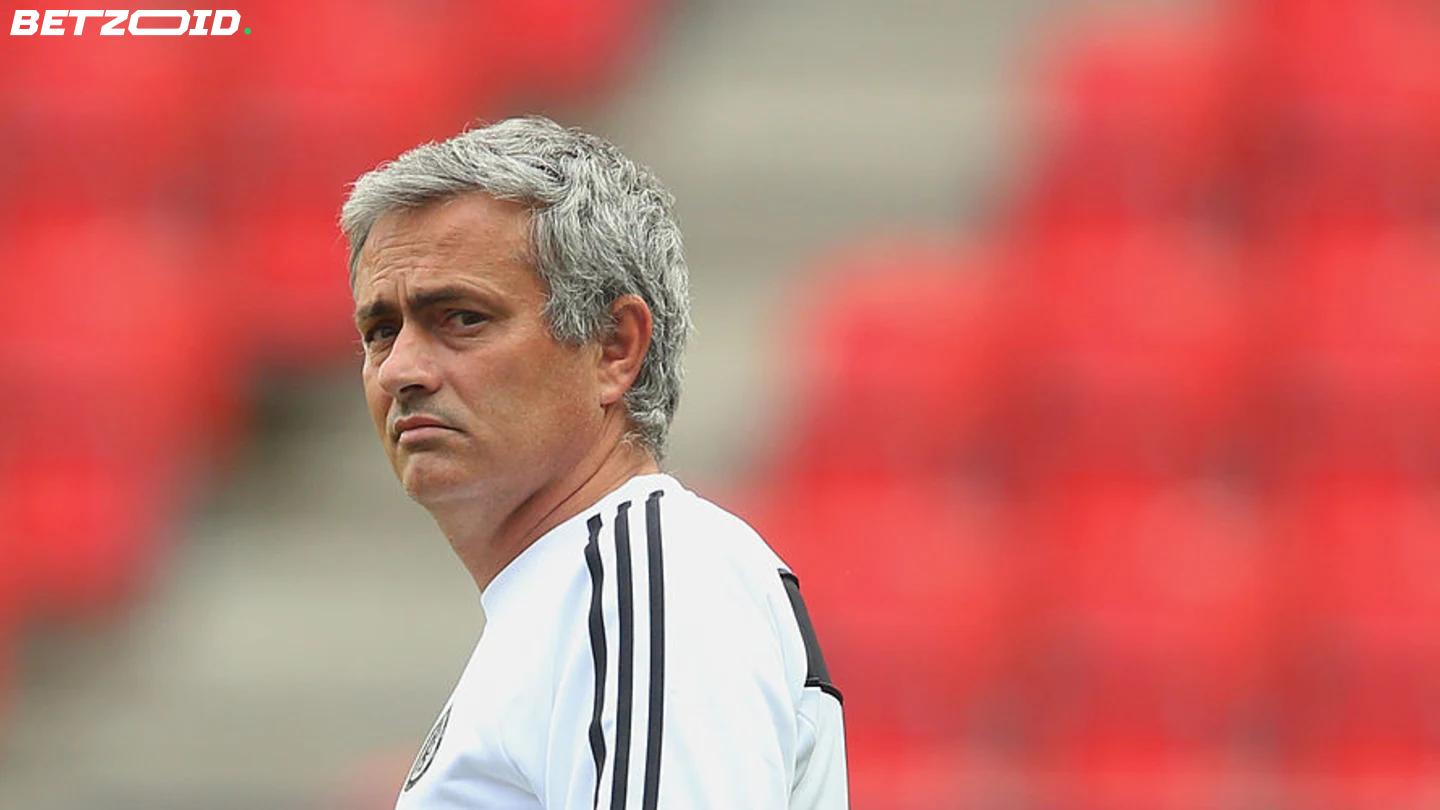
José Mourinho appears poised for a stunning return to Real Madrid. The 63-year-old Portuguese tactician is reportedly in serious discussions with club president Florentino Pérez, expected to turn down a contract extension with Benfica and make his way back to the Santiago Bernabéu following the conclusion of Portugal's domestic campaign. Before the wave of nostalgia sweeps over everyone, it's important to examine what the Special One has accomplished during the 12 years since his initial departure from the Spanish capital.
The reality is far more nuanced than what his supporters or detractors might suggest.
A Single League Trophy and Multiple Unfinished Projects
Following his 2013 exit from Madrid, Mourinho has taken charge of six different clubs. His trophy cabinet from this period includes just one domestic league championship — Chelsea's 2014-15 Premier League triumph — while he's been dismissed mid-campaign on three separate occasions. A familiar pattern emerged at Chelsea, Manchester United, and Roma: a respectable first season, an improved second year, followed by a dramatic third-season meltdown before the winter break.
Beyond that solitary league title, most of his silverware has consisted of secondary competitions. He captured a League Cup and Europa League with United. His Conference League victory with Roma came in a tournament that some argue was created specifically to provide mid-tier European clubs with winnable hardware. He even celebrated a Community Shield triumph with three fingers raised, treating it like a Champions League conquest.
The statistics tell an interesting story. His win percentage at Chelsea sat at 58.8%. At United: 58.3%. With Fenerbahçe: 59.7%. There's no questioning his ability to secure victories. The problem lies in maintaining momentum. His three most recent appointments all concluded with either termination or departure under duress, and none brought him within striking distance of a league championship.
Controversy Follows Wherever He Goes
Tottenham Hotspur sacked him mere days before a League Cup final appearance — a match Spurs subsequently lost. During his time with Roma, he was caught confronting referee Anthony Taylor in a parking garage following a Europa League final defeat to Sevilla, labelling him with an expletive-laden insult. At Fenerbahçe, he physically grabbed an opposing manager's nose during an Istanbul derby, resulting in a three-match suspension. He also famously brought a laptop to media sessions as supposed evidence of refereeing bias. His team finished 11 points adrift of Galatasaray and failed to defeat either major Istanbul rival throughout the entire season.
His tenure at Benfica has been relatively peaceful by comparison, steering them through a nearly flawless domestic run. However, they currently occupy third place — not first — and require favourable results elsewhere to secure Champions League qualification. The campaign's pinnacle was a thrilling 4-2 victory over Real Madrid in January. The low point arrived shortly thereafter when he responded to Vinícius Jr.'s racism allegations against Benfica's Gianluca Prestianni by stating: "Every stadium that Vinicius plays, something happens. Always." UEFA ultimately suspended Prestianni for six matches — for homophobic behaviour, not racial abuse.
What Real Madrid Would Actually Be Getting
The straightforward assessment: Mourinho in 2025 represents a manager capable of restoring order to an unstable dressing room temporarily, capturing cup competitions, and creating enough intensity and media attention to maintain player discipline. If reports about Madrid's current locker room troubles are accurate, this represents a specific challenge he's likely equipped to address — for approximately 18 months, at least.
However, the evidence from the past decade reveals clear limitations. Zero league titles outside England. No meaningful Champions League campaigns. A win percentage that appears acceptable in isolation but accompanies three mid-season dismissals. Madrid already experimented with this approach between 2010 and 2013, securing one La Liga crown, with Mourinho himself labelling his final season as the worst of his professional life.
- Chelsea (2013-2015): Win% 58.8 | Silverware: Premier League, League Cup
- Manchester United (2016-2018): Win% 58.3 | Silverware: Community Shield, League Cup, Europa League
- Tottenham Hotspur (2019-2021): Win% 51.2 | Silverware: None
- AS Roma (2021-2024): Win% 49.3 | Silverware: Conference League
- Fenerbahçe (2024-2025): Win% 59.7 | Silverware: None
- Benfica (2025-present): Unbeaten domestic stretch, third position in Primeira Liga
Bettors evaluating Madrid's La Liga or Champions League prospects for the upcoming season should consider one undeniable trend: Mourinho's squads typically reach their zenith in year two before imploding during year three. During his previous Bernabéu stint, he himself validated this exact pattern.