
Lincoln City Promoted to Championship After 65-Year Absence
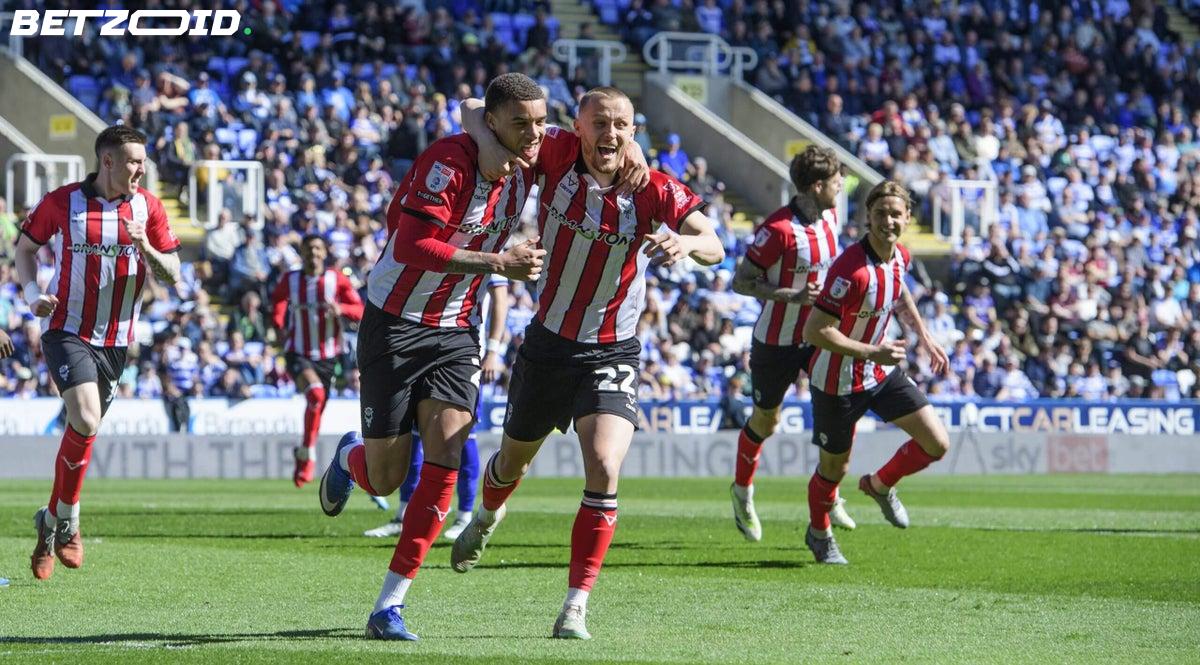
Former MLS star Landon Donovan jokingly compared Arsenal to Lincoln City, but there's truth behind the humour. Lincoln have just secured promotion to the Championship — their first appearance in England's second tier since 1952 — and they've done it by outsmarting virtually every opponent in League One while operating on a modest £5 million budget.
A crucial 2-1 victory over Reading on Monday confirmed their promotion with five matches remaining in the season. The Imps sit an impressive 19 points ahead of third-place Bradford and maintain a 12-point cushion over Cardiff City in the title race. Their remarkable unbeaten streak has now reached 23 games, with 18 victories during that span. For perspective: the biggest spenders in League One are investing £14-15 million per season, while Lincoln's top earner makes just £3,500 weekly.
Intelligence Over Investment
Sporting director Jez George operates a recruitment system that resembles a Silicon Valley tech company more than a traditional football club. Lincoln purchases data from analytics firm Impect, covering eight to ten European leagues. Their internal data scientists develop Python code and create algorithms to identify ideal player profiles for each position. Ukrainian midfielder Ivan Varfolomeev was discovered entirely through this data-driven approach before Lincoln invested £400,000 — a club record transfer fee — to bring him from Czech outfit Slovan Liberec.
This approach isn't an isolated case. Forward Jack Moylan arrived from the League of Ireland. Striker Ben House was recruited from non-League side Eastleigh. Goalkeeper George Wickens joined as a free agent, having only played professionally on loan in the National League and Scottish Premiership before Lincoln identified him. The pattern remains consistent: undervalued talents verified through data, then scouted personally and evaluated for cultural fit.
The club invested £10,000 in an artificial intelligence platform from Insight Sport — now owned by the Friedkin Group, who control Everton and Roma — that analyzes millions of set pieces to identify defensive vulnerabilities and create innovative attacking patterns. An impressive 26 of Lincoln's 77 league goals this campaign have originated from set pieces. Last season, they converted one in every 16 corners in a division where the average sits at one in 33. Rangers took notice — they hired away set-piece coach Scott Fry in November. Lincoln continued finding the net regardless.
Under manager Michael Skubala, the squad plays with League One's lowest average possession percentage. They implement aggressive high pressing, minimize risk in their defensive third, and grab the opening goal in 75-80% of their matches. They've held the lead for 52% of total playing time — 20% more than any other side. They've trailed for merely 8% of minutes throughout the entire season. This isn't fortune. This is a carefully designed system functioning precisely as intended.
Championship Survival the Next Challenge
The American ownership structure is well-established — Ron Fowler, formerly with baseball's San Diego Padres, controls the largest ownership stake, with fellow American Harvey Jabara also invested and Donovan serving as both investor and strategic advisor. South African hedge fund manager Clive Nates has been involved since 2016, when Lincoln competed in England's fifth tier of non-League football. The ownership deserves recognition for providing stability, though they haven't simply bought success. Despite earning promotion, Lincoln posted approximately £3 million in losses during 2023-24.
The Championship presents an entirely different challenge. Revenues increase substantially, but so do wage bills, and the financial gap between efficiently-run smaller clubs and relegated Premier League sides with parachute payments remains enormous. Lincoln's wage structure — compact and collective, with minimal spread between top and bottom earners — will face significant pressure. No individual player has reached double-digit league goals this season, which perfectly illustrates how this squad operates. That collective mentality will be tested when Championship clubs pursue their top performers.
- Lincoln have generated over £3 million from player sales over the last three years, primarily to Championship clubs
- Their training facility was financed by a memorable 2016-17 FA Cup run that saw them eliminate Premier League side Burnley, plus Brighton and Ipswich, before facing Arsenal in the quarter-finals
- George maintains an extensive database of potential hires for every position and recently met with three prospective coaches in the past month
Donovan frames the situation clearly: "It's not about going up. It's about staying up." George echoes that sentiment — "We can't have a personality transplant." The core principles remain unchanged. The budget stays conservative. The data operation continues.
Lincoln's Championship survival odds next season depend entirely on whether a club engineered to exceed expectations can replicate that success one division higher, facing opponents with four times their financial resources. The blueprint is proven. The validation sits in the League One standings. Whether it translates to the Championship is the question that will be answered starting in August.