
Vinicius Jr Reaches Out to Lamine Yamal With Call for United Stand Against Racism
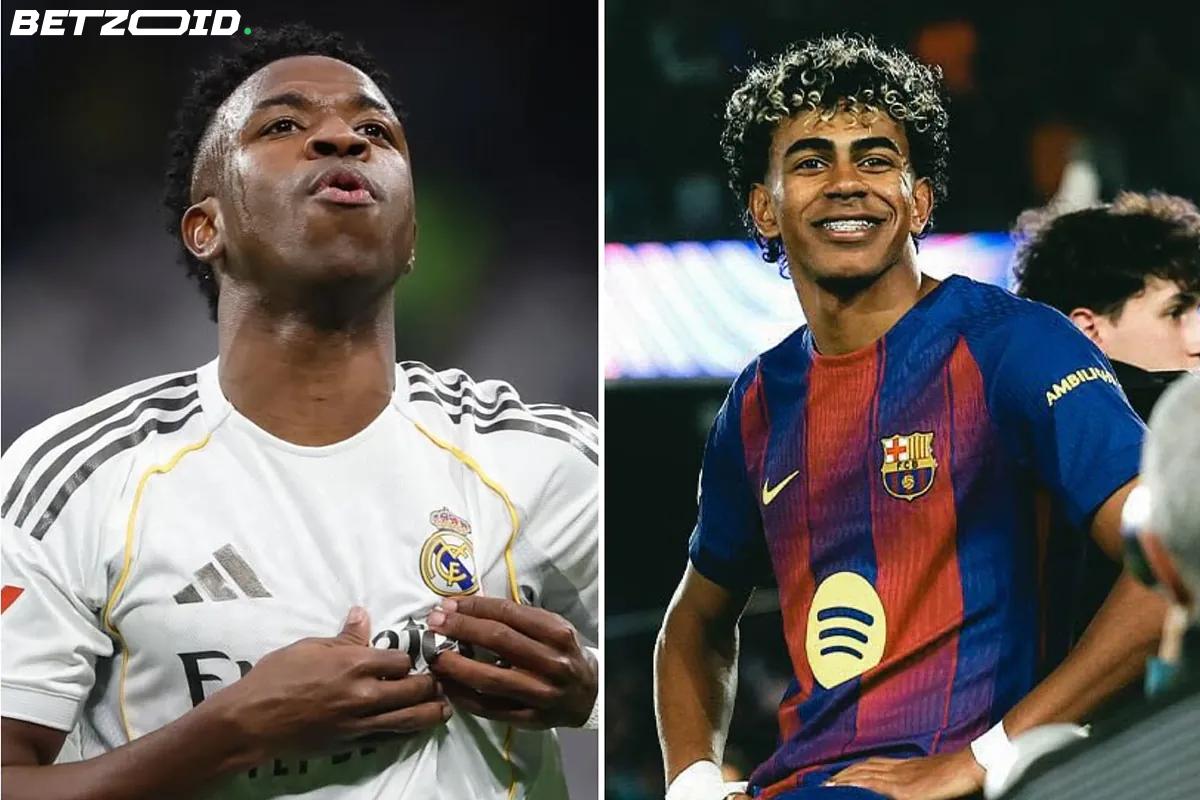
Vinicius Jr's message to Lamine Yamal went beyond simple sympathy. It was a calculated call to action.
Following the racist abuse directed at Yamal during Spain's fixture against Egypt, the Real Madrid star made direct contact — not merely to offer condolences, but to advocate for resistance. His core message was clear: those who experience racism must voice their experiences, players must present a united front, and silence only allows the problem to persist.
Two high-profile targets united in one battle
These two footballers rank among the most closely followed athletes in the sport today. They represent different clubs, wear different national colours, and face off as genuine competitors when they meet on the pitch. That's precisely why Vinicius' outreach carries such weight. This transcends club allegiance or international boundaries. It represents two young Black players — both intimately familiar with the darker aspects of stadium culture — acknowledging that discrimination doesn't care about team crests.
Vinicius has established himself over several years as one of the most vocal opponents of racism in European football, frequently at considerable personal expense. He understands intimately what it looks like when institutions fail to respond adequately, when suspensions are insufficient and apologies ring hollow. His message to Yamal was grounded in experience: public visibility is crucial, sustained pressure is essential, and players with platforms must leverage them — particularly because many facing identical abuse lack those same resources.
He also emphasized a nuance that frequently disappears in these discussions. Racism isn't characteristic of entire nations. It's a challenge woven throughout societies broadly, which means the solution must be global rather than directed at a single supporter base or competition.
Maintaining continuous pressure
What's evolved recently isn't the presence of racism in football — that remains disappointingly constant. What's transformed is the approach from players themselves. The traditional pattern involved reacting, condemning, then moving forward. Vinicius is deliberately challenging that cycle. His approach: identify it publicly, maintain vocal opposition, and refuse to let the discussion fade once media attention shifts elsewhere.
For Yamal, who at 17 already stands among the most scrutinized players globally, receiving this type of support from someone who has successfully navigated this terrain represents more than emotional encouragement. It's a tactical guide.
The more players who resist allowing this to become normalized background noise, the more difficult it becomes to dismiss. That's where the genuine influence lies — not in isolated statements, but in the persistent refusal to stop making them.