
Your Complete Guide to the 2026 World Cup Final at MetLife Stadium
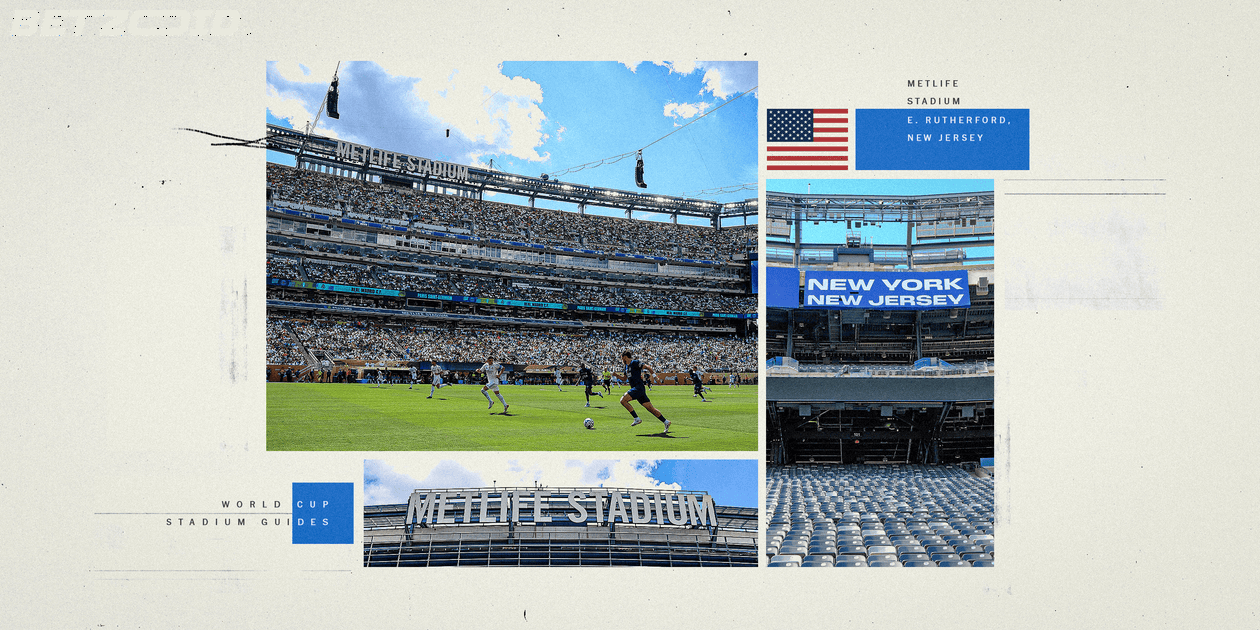
The 2026 FIFA World Cup final won't technically take place in New York City. Instead, it's scheduled for East Rutherford, New Jersey, just across the Hudson River at MetLife Stadium — a detail that matters primarily to locals rather than the billions of global viewers who'll consider this New York's big moment.
For the tournament, MetLife Stadium will operate under the name New York New Jersey Stadium, complying with FIFA's strict no-corporate-sponsors policy. The venue is set to host eight World Cup matches total, with the crown jewel arriving on July 19, 2026: the final itself. The world's attention will focus on a stadium best known for NFL action and Odell Beckham Jr.'s spectacular one-handed catch back in 2014.
Understanding the Venue
Constructed in 2010 with a price tag around $1.6 billion USD, MetLife ranks among America's largest stadiums. Its capacity hovers around 82,500, though this number will adjust slightly for World Cup operations to accommodate broadcasting infrastructure, expanded media facilities, and enhanced security measures. The venue's NFL attendance record stands at 83,367. For football (soccer), 82,262 spectators turned out for a Manchester United versus Arsenal pre-season friendly in July 2022.
MetLife has previously hosted major football events. The 2016 Copa America Centenario final unfolded here — the memorable night when Lionel Messi missed his penalty in the shootout, Argentina fell to Chile, and Messi temporarily retired from international competition. More recently, the stadium hosted nine matches during the 2025 Club World Cup, including the final that drew 81,118 fans to watch Chelsea defeat PSG.
MetLife uniquely serves as home to two NFL teams — the New York Giants and New York Jets. The lighting system alternates between blue for Giants matches and green for Jets games. During the World Cup, stadium lighting will reflect the colours of competing nations.
Playing Surface, Climate Considerations, and Transportation
NFL venues typically use artificial turf, which FIFA prohibits for World Cup matches. Consequently, a temporary natural grass pitch is being transported in refrigerated lorries, carefully installed, and monitored to satisfy FIFA's rigorous standards. The pitch dimensions differ from NFL configurations, necessitating the removal of approximately 1,750 seats to create adequate space.
The stadium lacks a roof, which becomes significant during a New Jersey summer. July temperatures typically range from 24–31°C, though heat waves can push readings to 35°C, with humidity making conditions feel considerably warmer. Thunderstorms present a real concern — Chelsea manager Enzo Maresca voiced strong complaints about storm delays during last year's Club World Cup after a round of 16 match against Benfica was postponed for nearly two hours. Attendees should bring sunscreen, hats, and check weather forecasts regularly.
Transportation requires advance planning. Following public outcry, shuttle bus fares dropped from $80 to $20 USD, with yellow school buses added to increase capacity. Train service from Penn Station represents the other primary option, though this also sparked controversy: return tickets initially cost $150 before New Jersey Transit lowered them to $105 after significant backlash. Parking remains limited, tailgating is prohibited on match days, and rideshare services drop passengers at Meadowlands Racetrack, roughly a mile from the stadium.
- Shuttle bus from New York City: $20 USD (reduced from $80)
- Return train ticket from Penn Station: $105 USD (reduced from $150)
- Rideshare drop-off location: Meadowlands Racetrack, approximately 1.6 kilometres away
- Tailgating banned in stadium parking areas on match days
- Open-air venue — prepare for sun exposure, heat, and potential storms
Tournament preparations included significant stadium upgrades: four new corner video displays, an enhanced audio system, improved 5G wireless coverage, and additional camera positions beyond standard NFL broadcast requirements. The three-tiered bowl design provides excellent sightlines and excellent acoustics. A capacity crowd for the World Cup final should generate tremendous atmosphere.
One notable absence: FIFA cancelled the official Fan Fest in February 2026, merely four months before kickoff, replacing it with smaller viewing parties and street celebrations. For a city carrying New York's name throughout tournament branding, this represents a significant disappointment — though it won't diminish what unfolds inside the stadium on July 19.