
Chelsea Partners With Jay-Z's Roc Nation to Expand American Footprint
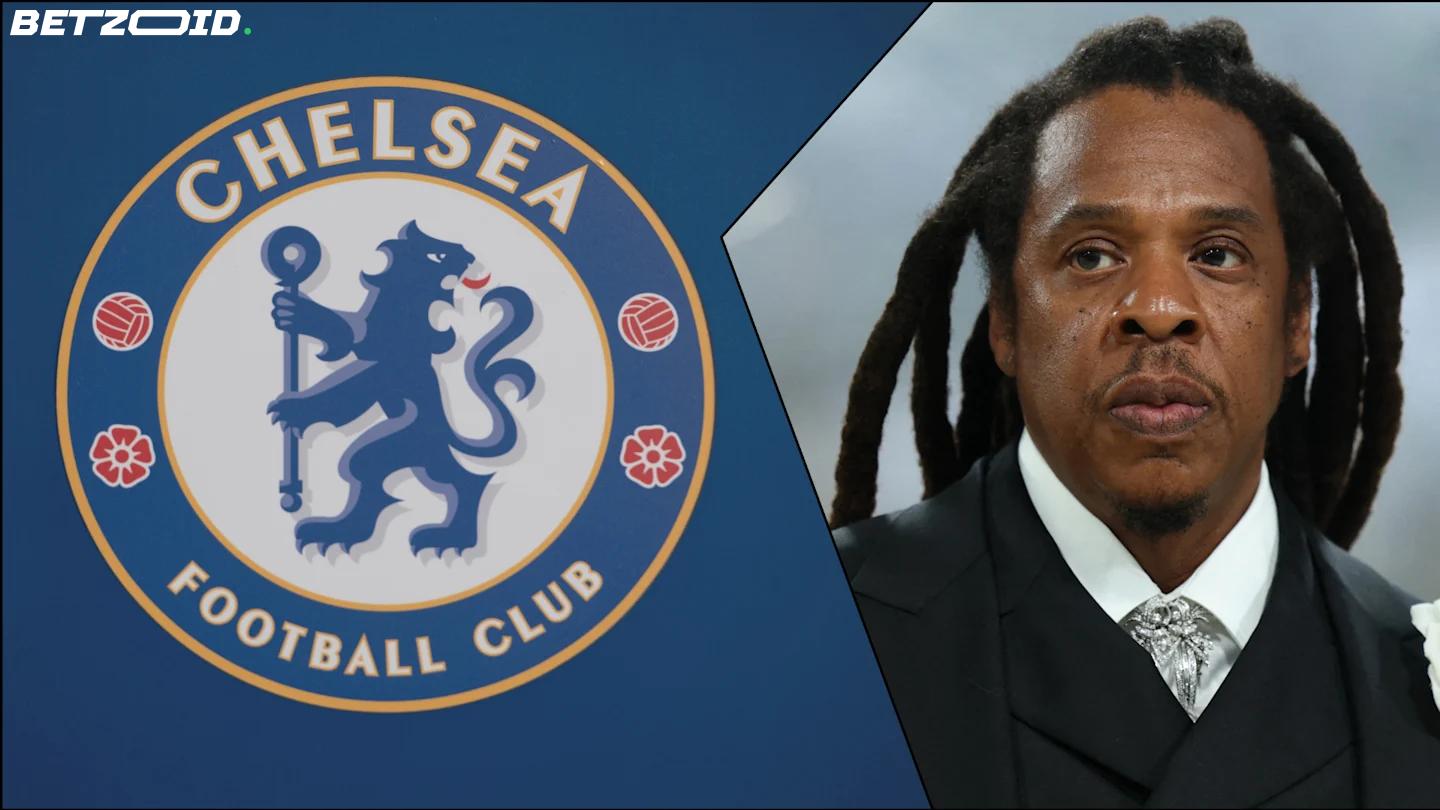
Chelsea Football Club has announced a strategic partnership with Roc Nation Sports International — the entertainment powerhouse founded by Jay-Z — in a calculated move to capture the attention of American sports fans. The collaboration is being marketed as a fusion of "soccer, music and culture," but the underlying objective is crystal clear: attract American viewers, tap into American spending power, and convert casual observers into dedicated Blues supporters.
This partnership exemplifies the modern Chelsea approach under BlueCo ownership. Since Todd Boehly and Clearlake Capital acquired the club from Roman Abramovich in 2022, the London side has operated with the mentality of a tech startup transplanted into traditional English football. Extended contracts for young talent, a virtual prohibition on signing players beyond their late twenties, and now a lifestyle-driven branding strategy that could've been conceived in a Silicon Valley boardroom.
Strategic Timing Ahead of the World Cup
The announcement's timing is anything but coincidental. With the FIFA World Cup set to kick off across North America this summer, football interest in the United States is expected to reach unprecedented levels. Chelsea are positioning themselves to capitalize on this surge before it crests, rather than playing catch-up when the opportunity has passed.
Scott Fenton, Chelsea's brand director, articulated the vision directly: "This partnership represents a major step forward in how we connect with our fans in the United States." Roc Nation brings something Chelsea lacks organically — deep cultural penetration across music, entertainment, and celebrity spheres. The agency operates at the crossroads of popular culture in ways few organizations globally can replicate, and that influence is precisely what Chelsea are investing in.
Michael Yormark, president of Roc Nation Sports International, characterized the collaboration this way: "Football has never been more culturally influential in the U.S. Our ambition is to help Chelsea Football Club show up in the moments, platforms and conversations that truly matter to the modern fan."
The business case is compelling. The American market represents enormous financial opportunity, and unlike Europe where club allegiances have been cemented across generations, the United States remains relatively open territory. If Chelsea can convert even a modest percentage of casual American soccer enthusiasts into committed supporters — purchasing merchandise, streaming subscriptions, and travelling for matches — it fundamentally transforms their revenue streams. In today's football landscape, where Financial Fair Play, Profit and Sustainability Rules, and Squad Cost Ratio regulations have replaced billionaire owner spending, diversified commercial income isn't optional. It's essential.
A Misstep in the Launch
However, the partnership's rollout hasn't been flawless. The announcement included a promotional contest offering fans a Chelsea jersey autographed by DJ Khaled — a Roc Nation artist with considerable American popularity but absolutely no connection to football. The concept itself wasn't problematic. The execution, though, drew criticism: the shirt featured the number 1 on the back, traditionally reserved for goalkeepers, on an outfield player's jersey.
While seemingly minor, such details reveal how thoroughly a campaign understands the sport it's promoting. Chelsea face a delicate balancing act — appealing to knowledgeable American soccer fans who follow the Premier League closely while simultaneously attracting newcomers who've never watched a match. Navigating between these audiences without alienating either group presents a genuine challenge, regardless of how polished the marketing materials appear.
Chelsea have committed to delivering "integrated campaigns, content drops and live experiences" throughout the coming months. Whether this partnership produces authentic supporter growth or merely generates impressive digital engagement statistics remains to be seen. The stated goal of becoming an "aspirational lifestyle brand" sounds promising in boardroom presentations. Whether it resonates with traditional supporters at Stamford Bridge who value the club's football heritage above commercial expansion is another matter entirely.