
Saudi Arabia's PIF Shifts Sports Strategy with FIFA World Cup Partnership
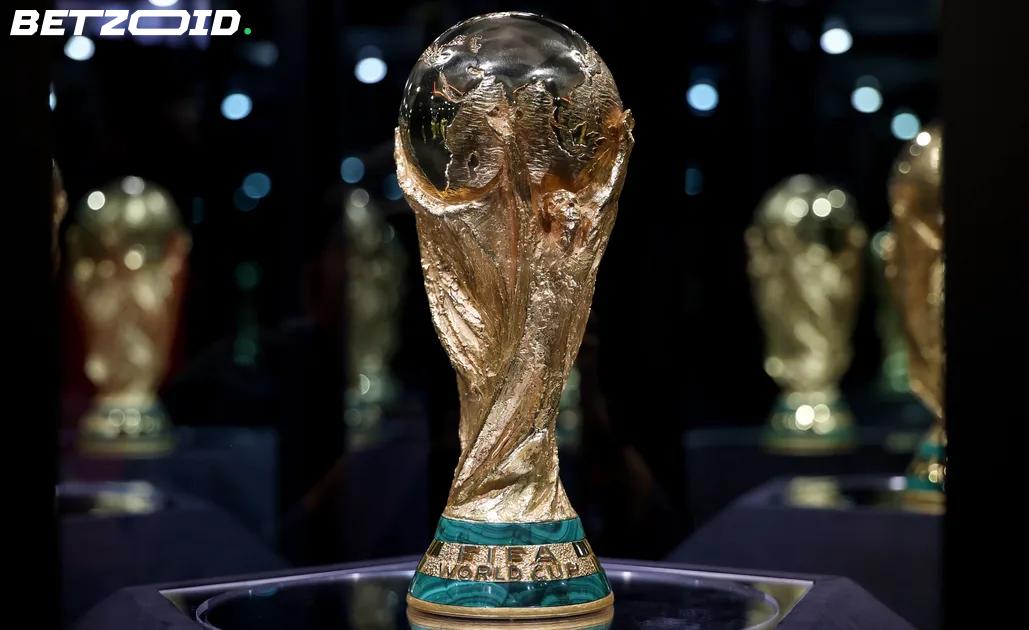
As LIV Golf fades into the background, Saudi Arabia's Public Investment Fund (PIF) has secured official tournament supporter status for the FIFA World Cup. Rather than stepping back from sports investments, the kingdom is redirecting its resources toward the sport that holds genuine strategic value.
Financial terms remain undisclosed, though the agreement encompasses North America and Asia. The timing carries particular significance given PIF's recent decision to discontinue future LIV Golf investments after reportedly spending upwards of $6 billion USD on the golf circuit by year-end. The golf venture served as a trial run; football represents the long-term blueprint.
Understanding the strategic play
According to Mohamed AlSayyad, PIF's head of corporate brand, football occupies a "crucial role in the ongoing transformation of Saudi Arabia" — a statement supported by their expanding portfolio. The fund owns Newcastle United, revitalized the Saudi Pro League by attracting global stars including Cristiano Ronaldo, Neymar, and Karim Benzema, secured hosting privileges for the 2034 World Cup, established a commercial partnership for last year's Club World Cup, and acquired equity in DAZN, the tournament's broadcast partner.
The DAZN investment deserves particular attention. FIFA's financial reports indicate broadcasting rights generated over $1 billion CAD — representing the majority of its annual revenue in 2025. PIF's ambitions extend beyond mere sponsorship; they're positioning themselves within the global football distribution ecosystem.
The Saudi Pro League's high-profile recruitment campaign has tapered off. The period when every elite footballer seemed destined for Riyadh has concluded. However, that phase was merely the attention-capturing introduction. The underlying framework being constructed around football focuses on long-term objectives: hosting privileges, media properties, and governing body alliances.
The 2034 endgame takes shape
Securing the 2034 World Cup hosting rights marked the signature accomplishment. The subsequent moves — player acquisitions, sponsorship agreements, the DAZN stake — function as supporting elements for that central achievement. A World Cup held on Saudi soil, partially financed through their governing body contributions, and broadcast via a streaming platform they partly control creates an unprecedented closed ecosystem.
The governance implications of FIFA's deepening financial relationship with PIF will fuel debate for years ahead. Currently, the facts are straightforward: Saudi Arabia has designated football as its primary sports investment vehicle, and FIFA has welcomed that decision without reservation.