
FIFA's World Cup Final Halftime Show Plans Meet Fierce Resistance From Football Purists
When FIFA announced plans for a halftime entertainment spectacular at the World Cup final, the response from football supporters worldwide was swift and unforgiving. "We don't want it," posted one social media user, capturing the sentiment of countless fans who see the move as an unwelcome Americanization of the beautiful game.
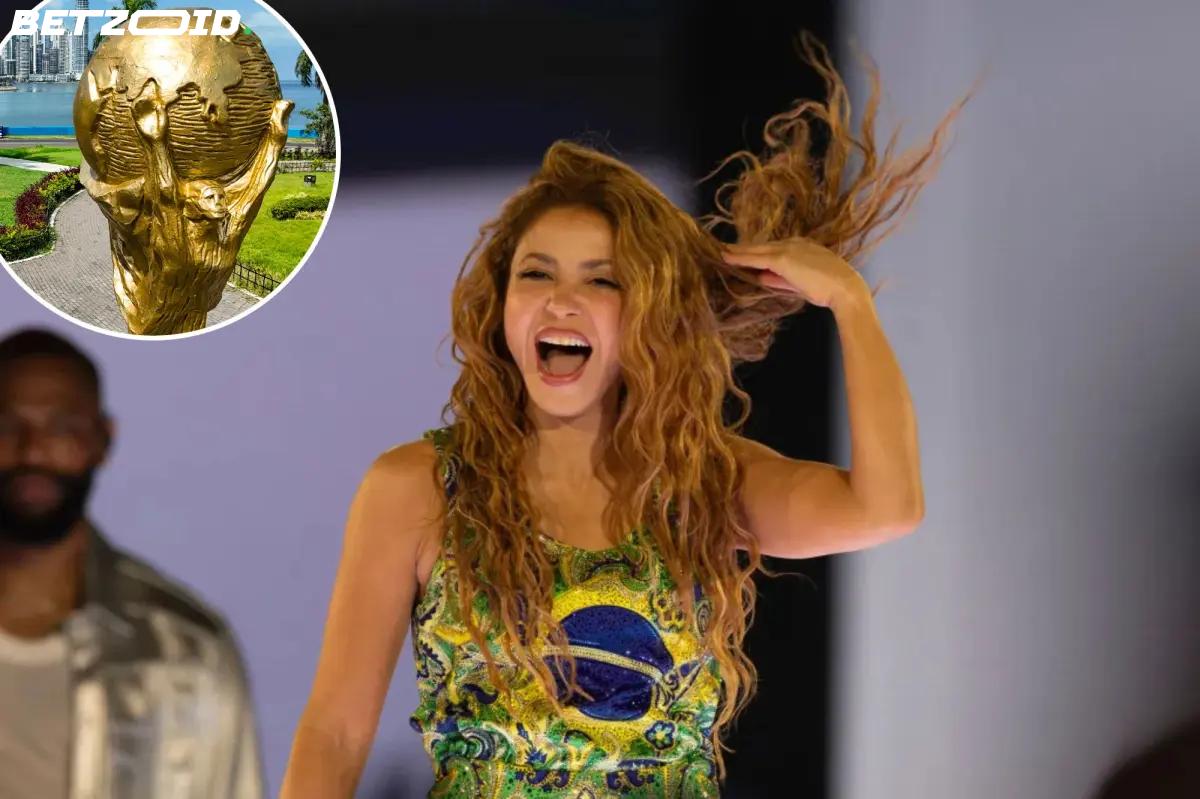
The world football governing body confirmed this week that the July 19 final at MetLife Stadium in New Jersey will feature performances by Colombian superstar Shakira, pop icon Madonna, and Korean sensation BTS, with Coldplay frontman Chris Martin serving as curator. It marks an unprecedented departure from World Cup tradition — essentially importing the Super Bowl's entertainment model to football's biggest stage.
FIFA President Gianni Infantino has framed the initiative as a partnership with the FIFA Global Citizen Education Fund, describing it as "bringing together music and football on the biggest stage in sport for a very special cause." But supporters aren't convinced by the charitable angle.
Why Football Fans Are Pushing Back
The objection runs deeper than dislike for any particular artist. This is fundamentally about football culture clashing with American sports entertainment conventions. The Super Bowl halftime extravaganza succeeds because gridiron football naturally incorporates extended breaks, and its audience has embraced the spectacle as part of the experience.
Football operates differently. The traditional 15-minute halftime interval serves a tactical purpose — it's when managers make adjustments, players rehydrate, and teams regroup for the second half. Supporters use it for quick refreshments and analysis. Nobody's asking for pyrotechnics and costume changes.
"Halftime show at the World Cup final feels like FIFA trying to be the Super Bowl. Players just want to focus and recover," one fan wrote on social media. Another was more direct: "Genuinely nobody cares. It's not American Handball where people only watch the Super Bowl for the half time show. People are watching the World Cup to watch football and the players."
The logistics present their own challenges. Fitting three major acts into a standard 15-minute break — including stage assembly, performances, and breakdown — seems virtually impossible. Either the halftime extends significantly, leaving players standing around and cooling down at the worst possible moment, or each performer gets a rushed five-minute slot that satisfies no one.
The Americanization Question
Hosting major tournaments inevitably means the host nation's influence shows through. But this feels like something more — a fundamental misreading of what makes the World Cup special to its global audience. The tournament has thrived for nearly a century without borrowing from American sports entertainment formulas.
To be fair, the lineup isn't entirely disconnected from football. Shakira's "Waka Waka (This Time for Africa)" became the unofficial anthem of the 2010 World Cup in South Africa, giving her genuine credibility with football supporters. Her return for another World Cup final would resonate with an entire generation.
- Shakira has legitimate World Cup credentials through her 2010 tournament anthem
- Madonna and BTS represent demographic targeting rather than football tradition
- The recent Champions League final featured the Killers in a pre-match concert instead
Madonna and BTS appear to be different calculations entirely — chosen for their streaming numbers, social media reach, and ability to attract younger demographics. They're marketing decisions dressed up as entertainment.
A Better Model Already Exists
European football's premier club competition, the Champions League, offers an instructive comparison. For their May 30 final, UEFA brought in the Killers for a pre-match concert. The timing matters enormously. Pre-game entertainment builds atmosphere without disrupting the match itself. A halftime performance interrupts the flow at the worst possible moment.
UEFA understood the assignment. FIFA appears to have missed it entirely.
Whether this halftime show actually unfolds as planned on July 19 remains uncertain — the logistical hurdles alone could prove insurmountable. But the damage to FIFA's relationship with traditional football supporters is already done.
The backlash isn't coming from people who hate music or entertainment. It's coming from people who believe the World Cup final should remain focused on what matters: 22 players, one ball, and 90 minutes that can change sporting history.
"I hate that the US is trying to make everything Americanified," one supporter wrote. That frustration, however bluntly expressed, likely echoes in living rooms across Canada, Colombia, Nigeria, South Korea, and everywhere else football fans are watching with growing concern about their sport's direction.
For betting markets and match analysis, this controversy adds another layer of uncertainty. Will the extended break affect player performance? Could the distraction impact team preparation? These are questions punters never had to consider before — and ones they'd probably rather not be asking now.